Description
Review of the Yamaha JR1 FG Junior 3/4 Size Acoustic Guitar
The Yamaha JR1 FG Junior 3/4 Size Acoustic Guitar targets the hobbyist looking for something compact, sturdy, and affordable. This little acoustic promises a blend of size and sound that few instruments at this price attempt. Here is what the specifications and the design actually deliver.
First Impressions & Setup
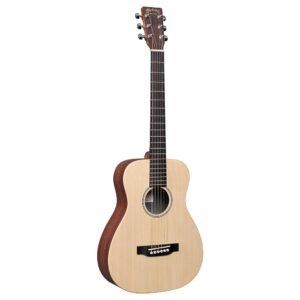
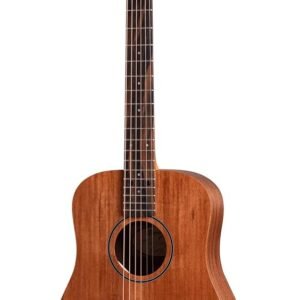
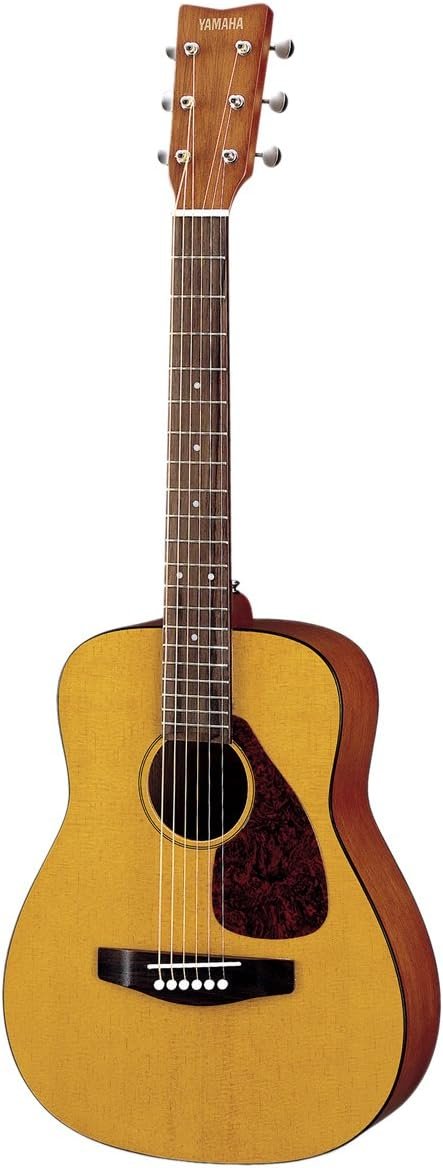
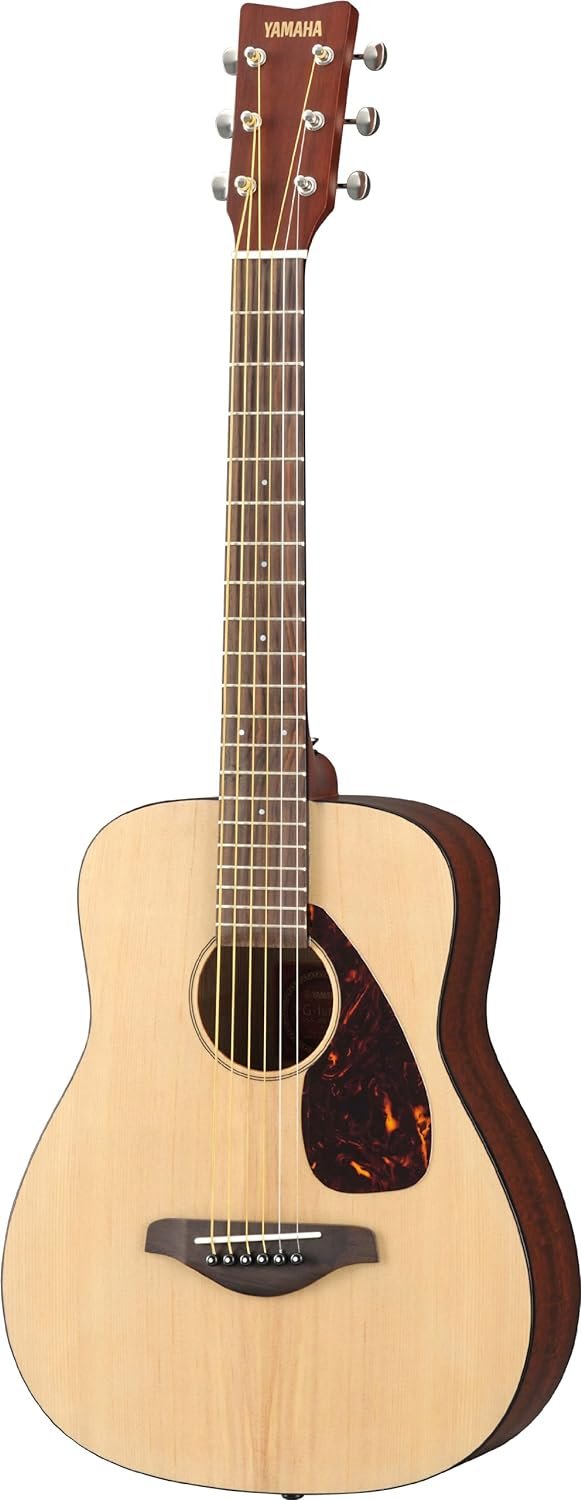
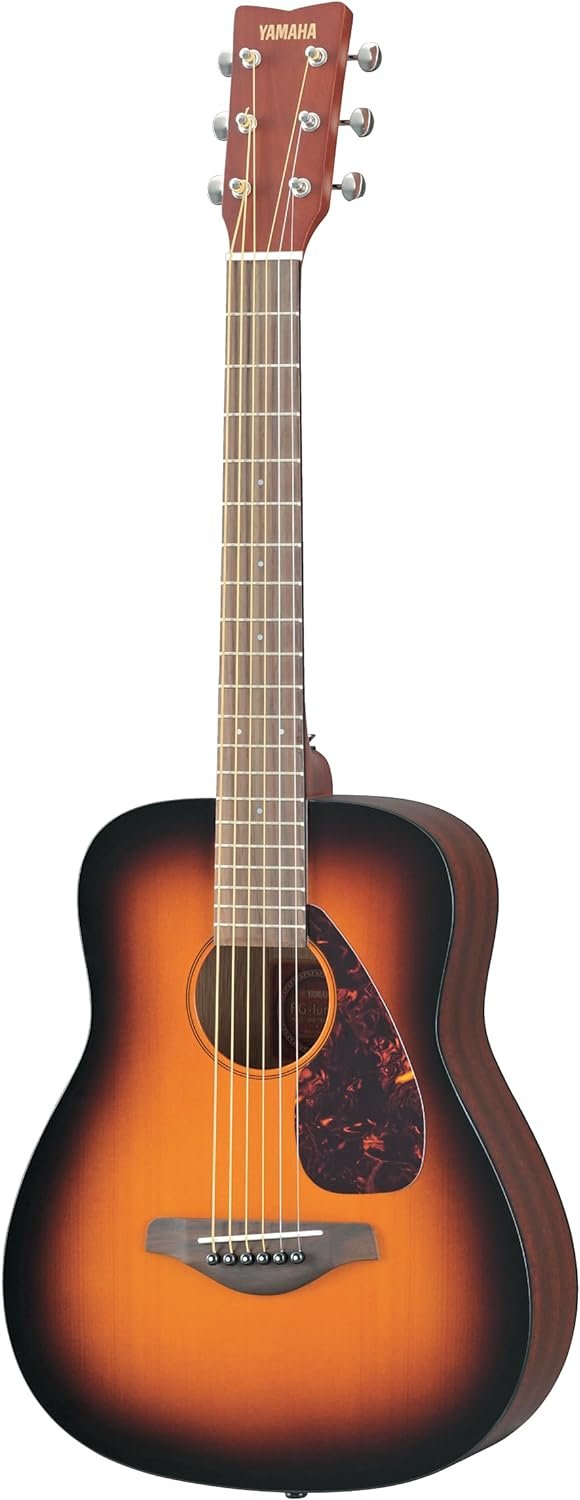
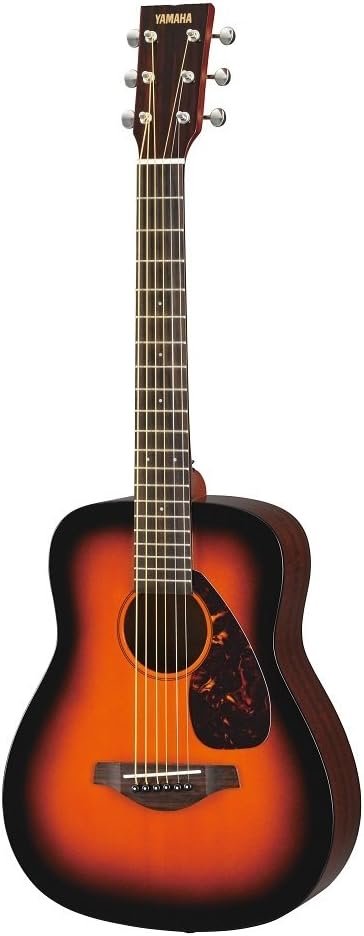
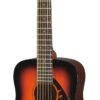
Right out of the box, this guitar looks like a mini version of its full-sized siblings. The natural finish is quite appealing, and it feels solid for a 3/4 size instrument. The scale length and body depth are sized for a junior’s hands, so younger players can reach chord shapes without stretching. The set-up is straightforward, though new strings on a guitar this size tend to need retuning more often at first. This is typical for a new guitar, but a bit of a hassle nonetheless.
Sound Quality & Playability
For a guitar this size, the sound output is impressive. While it doesn’t match the richness of a full-sized dreadnought, it holds its own given the compact design. The action is smooth and the short scale keeps it easy to play, making it a strong choice for beginners or even seasoned players who need a portable option.
Next to a High End Full Size Guitar
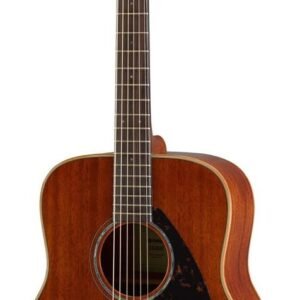
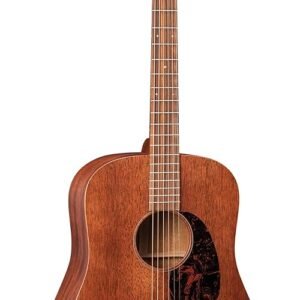
Set against a premium full size acoustic, the JR1 is outmatched on low end and sustain, which is what the smaller body and shorter scale predict. Where it closes the gap is in clarity and note definition, since the reduced air volume keeps the midrange tight rather than muddy. For a guitar at this price and size, that is a respectable result rather than a compromise.
Comparison to Competitors
In a showdown with other 3/4 size guitars, the Yamaha JR1 stands out for its build quality and sound. Compared to the Fender FA-15, the JR1 offers a richer tonal quality but lacks some of the aesthetic flair. On the other hand, the Cordoba Mini M might edge out in terms of classical sounds but is also significantly pricier. The JR1 hits that sweet spot between performance and price, making it a solid choice for budget-savvy buyers.
Cost Analysis and Value for Money
Here’s where things get interesting. Priced reasonably, the JR1 is a fantastic value for what it offers. It’s not going to empty your wallet, yet it provides decent sound and portability. It holds its value well if you’re looking for an entry-level instrument or just need a lightweight travel companion. Plus, it’s a great way to save on space if you’re living in tight quarters. Energy efficiency? Well, not in the traditional sense, but it’s efficient in being a reliable practice instrument without the need for amplification.
Pros & Cons
Pros:
- Compact and Lightweight: Perfect for travel and small hands.
- Great Sound for Size: Punches above its weight in sound quality.
- Affordable: Offers excellent value for the price.
- Solid Build Quality: Durable and well-constructed.
Cons:
- Limited Bass Response: Doesn’t quite match full-sized models.
- Tuning Stability: Needs frequent tuning, especially when new.
- Basic Aesthetics: Looks a bit plain compared to some competitors.
Detailed Product Description
Yamaha covers similar ground with the nylon strung CGS103AII student classical, and Fender answers with the FA-15 steel string in 3/4 scale, both filed under kids and junior guitars. The Yamaha Acoustic Guitar is a compact, travel-friendly instrument ideal for young musicians and players with smaller hands. Crafted with a spruce top and Meranti back and sides, it delivers a surprisingly rich sound for its size. The natural finish gives it a classic acoustic look, while its rosewood fingerboard and bridge ensure smooth playability. This guitar is designed to be both durable and lightweight, making it perfect for campfire sing-alongs or practicing on the go.
What Comes with the Product
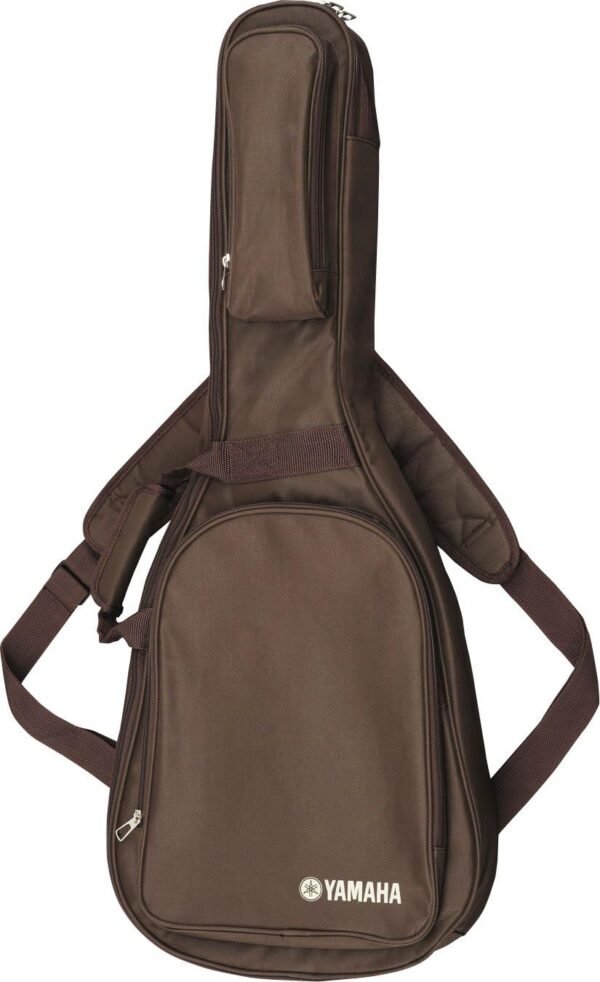
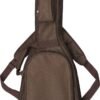
In the box, you’ll find the Acoustic Guitar neatly packed. It also includes a gig bag, which is a nice touch for protecting the guitar during travel or storage. While it doesn’t come with extra accessories like picks or a strap, the inclusion of the gig bag makes it a convenient purchase for beginners who want to start playing right away.
How to Use Guide
- Unbox the Guitar: Carefully remove the guitar from its packaging and inspect it for any transit damage.
- Tune the Strings: Use a tuner to bring the guitar up to standard tuning (E-A-D-G-B-e).
- Adjust the Action: If necessary, adjust the action to suit your playing style. This may require a truss rod adjustment.
- Practice Basic Chords: Begin with simple chords and scales to familiarize yourself with the instrument.
- Store Properly: When not in use, keep the guitar in its gig bag to protect it from dust and damage.
Product Use Cases
Households buying for a smaller player often set it against the Oscar Schmidt OG1P-A 3/4 dreadnought before settling on a scale length.
- Travel Companion: Ideal for musicians on the go due to its compact size.
- Beginner’s First Guitar: Perfect for children or adults starting to learn the guitar.
- Small Venue Performances: Suitable for intimate performances where amplification isn’t needed.
- Campfire Sessions: Great for outdoor events, providing a rich sound without the need for electricity.
- Seasonal Use: Perfect for summer picnics or winter indoor gatherings.
How to Maintain
- Regular Cleaning Instructions: Wipe down the body and strings after each use to prevent dirt build-up.
- Routine Inspections: Check the tuning pegs and bridge monthly for any signs of wear.
- Proper Storage Guidelines: Store in a cool, dry place to avoid warping from humidity.
- Using Warranty Services: Familiarize yourself with warranty details for any repairs needed.
Expert Tips & Recommendations
Scale length matters more than brand at this age, which the guide on what size guitar a child needs sets out in detail, while the wider acoustic guitars range shows what a full size body would mean.
- Use Light Gauge Strings: They enhance playability and produce a brighter sound on this compact guitar.
- Combine with a Capo: Experiment with different keys easily and explore a broader range of songs.
- Utilize a Humidifier: Keep a small humidifier in the guitar case to prevent wood shrinkage in dry climates.
- Practice Efficiently: Pair your guitar use with a metronome app to improve timing and rhythm.
Safety and Best Practices Section
- Keep Away from Heat: Avoid placing the guitar near heaters or direct sunlight to prevent wood damage.
- Handle with Care: While durable, dropping the guitar can lead to body cracks or tuning issues.
- Use a Stand: When not in use, place the guitar on a stand to prevent accidental falls.
- Fire Prevention: Ensure the guitar is stored safely and not near flammable materials during practice sessions.
Warranty & Support Information
Warranty Coverage Details: The Yamaha JR1 comes with a limited one-year warranty, covering defects in materials and workmanship.
- How to Check Warranty Status: Visit Yamaha’s official website and enter your serial number to verify warranty status.
- Warranty Claim Process: Contact Yamaha’s customer service with proof of purchase for any warranty claims.
- Extended Warranty: Options for extended warranty are available through select retailers, providing additional coverage beyond the initial year.
Product FAQ
- Can I use this guitar with an amplifier?
Yes, but you’ll need a separate pickup or microphone to amplify its sound. - Is the JR1 suitable for left-handed players?
While it’s designed for right-handed players, left-handed versions or adaptations can be made by restringing. - How does the JR1 compare to full-sized Yamaha models in terms of sound?
The JR1 offers a more focused sound with less bass compared to full-sized models, making it ideal for travel or practice.