
Action is the height of the strings above the frets, and it is the single biggest factor in whether a guitar feels easy or exhausting to play. High action means pressing strings a long way down before they touch the fret, which tires the hand and makes barre chords painful. Low action feels effortless but buzzes if it goes too far.
A setup is the adjustment session that dials this in, along with neck relief, nut slot depth and intonation. Most guitars leave the factory set to a generic average rather than to your hands, and a setup is usually the best money a beginner can spend on an instrument they already own.
Key takeaways
- Action is measured at the 12th fret, from the top of the fret to the bottom of the string.
- Typical electric action is around 1.6mm on the high E and 2.0mm on the low E. Acoustic runs higher, roughly 2.0mm and 2.6mm.
- A setup covers truss rod relief, saddle height, nut slots and intonation. They interact, so they are adjusted in order.
- A high nut is the usual reason a cheap guitar feels brutal in the first three frets.
- Get a setup after buying, after a seasonal change, and after switching string gauge.
How to measure your action
Tune to pitch first, since string tension changes everything, and hold the guitar in playing position rather than flat on a table. Measure at the 12th fret from the top of the fretwire to the underside of the string, using a steel ruler marked in millimetres.
Common reference figures for a comfortable setup: on electric guitar, about 1.6mm under the high E and 2.0mm under the low E. On steel string acoustic, about 2.0mm under the high E and 2.4 to 2.6mm under the low E. Classical guitars are higher again, often 3.0mm or more on the bass side, because nylon strings vibrate in a wider arc.
These are starting points. A heavy strummer needs more clearance to avoid buzz and a light touch lead player can go lower, so the right number is the one that suits how you attack the strings.
The four adjustments in a setup
Neck relief, set by the truss rod. A guitar neck is not meant to be dead flat. It needs a small forward bow so the strings have room to vibrate in the middle of their length. Relief is checked by fretting the low E at the 1st fret and at the body join, then looking at the gap at the 7th or 8th fret. A gap around 0.25mm is typical. Too much relief makes the middle of the neck feel high. Too little causes buzz.
Saddle height, which sets action at the body end. Electric guitars usually have adjustable saddles or a bridge on posts, so this is a screwdriver or hex key job. On an acoustic the saddle is a bone or plastic strip in the bridge slot, and lowering it means sanding the bottom, which is one way only and done in small steps.
Nut slot depth, which sets action at the headstock end. This is the most commonly neglected adjustment and the one that most affects a beginner. If the nut slots are cut too shallow, the first three frets require far more pressure than they should, open chords sound sharp, and the guitar feels hostile. Filing nut slots takes specific gauged files and cannot be undone, so it is genuinely worth paying a technician for.
Intonation, which makes fretted notes match open ones. Compare the open string against the 12th fret harmonic and the 12th fret fretted note. If the fretted note is sharp, the saddle moves back to lengthen the string. If it is flat, the saddle moves forward. This is why a guitar can be perfectly in tune on open strings yet sound sour on chords up the neck, a problem also covered in how to tune a guitar.
Signs your guitar needs a setup
- Barre chords are exhausting or will not sound cleanly even with correct technique.
- Open chords near the nut sound sharp no matter how carefully you tune.
- Strings buzz against the frets in one area of the neck but not others.
- Bent notes choke out and go silent partway through the bend.
- The guitar played fine in summer and feels different in winter, or the other way round.
- You changed string gauge and the feel changed with it.
Seasonal movement is normal and not a defect. Wood takes on and gives up moisture as indoor humidity swings, and the neck moves with it, which is why many players get a truss rod tweak twice a year. Stable storage reduces the swing, as covered in how to store a guitar.
Do it yourself or pay a technician
Two adjustments are reasonable to learn at home. Truss rod relief is reversible, so small quarter turn changes with the correct key are recoverable if you go the wrong way. Electric bridge saddle height is also fully reversible, since you are just raising and lowering screws.
Two are worth handing over. Nut slot filing and acoustic saddle sanding both remove material permanently, and a slot cut too deep means a new nut. Fret levelling is further into specialist territory again.
One honest point about budget instruments. A cheap guitar with a good setup usually plays better than an expensive guitar with a bad one. If a first instrument feels unplayable, the fault is more often the setup than the guitar, and that is worth knowing before spending more. See how much to spend on a first guitar for how that fits into a budget.
Guitars that respond well to a setup
These four from the review library are worth considering if adjustability is high on your list.
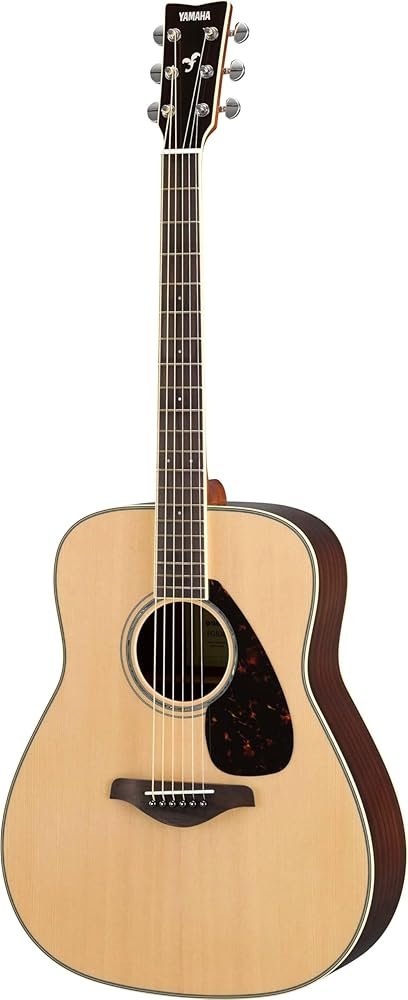
- Yamaha FG840 is a solid Sitka spruce top acoustic with flamed maple back and sides, noted for a smooth neck finish and adjustable action. A good candidate for a player who wants a full size acoustic they can have dialled in.
- RockJam Acoustic Guitar Kit includes a built in truss rod for neck adjustment, plus a tuner, stand, gig bag and spare strings. Suits a first time buyer who wants the whole package and the ability to correct relief later.
- Yamaha PAC012 pairs a versatile pickup layout with a tremolo bridge and a solid feeling build. Adjustable saddles make home action tweaks straightforward for someone learning to set up their own guitar.
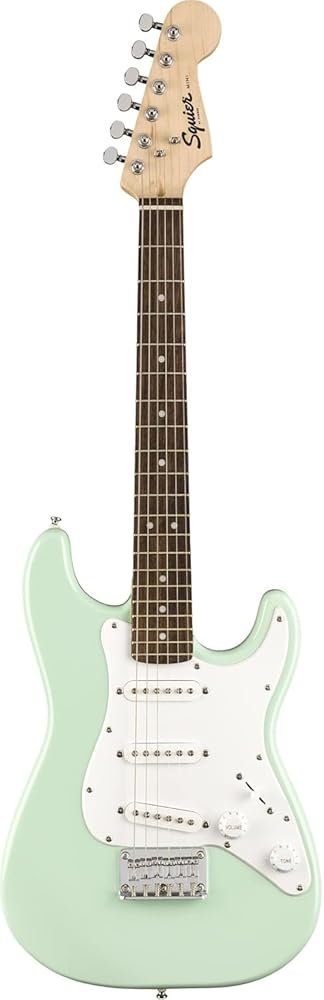
- Fender Squier Debut Series Telecaster keeps things simple with a lightweight body, sealed gear tuners and chrome hardware. A straightforward electric for a beginner who would rather not deal with a floating tremolo. More options sit in the electric guitar reviews.
If you are still weighing brands at the budget end, budget guitar brands explained covers who makes what.
FAQ
How often does a guitar need a setup?
Once or twice a year for most players, plus one after purchase and one after any gauge change. Guitars kept in stable humidity need fewer adjustments. Guitars that travel, or live in a room with big seasonal temperature swings, need more.
Can I lower the action myself?
On an electric with adjustable saddles, yes, and it is reversible. On an acoustic it means sanding the saddle, which cannot be undone. Always check neck relief before touching saddle height, because excess relief is often the real cause of high action.
Why does my guitar buzz after I lower the action?
You went below what your playing attack allows, or the neck lacks relief, or a fret is high. Buzz in one specific position usually means a high fret. Buzz across the whole neck usually means the action or relief is too low for how hard you play.
Is high action ever a good thing?
Yes. Slide players deliberately run high action so the slide does not rattle on the frets, and heavy acoustic strummers need clearance for the wider string swing. For most beginners learning chords, lower is better up to the point where buzz starts.