Description
Review of the Yamaha PAC012 Red Metallic 6-string Electric Guitar
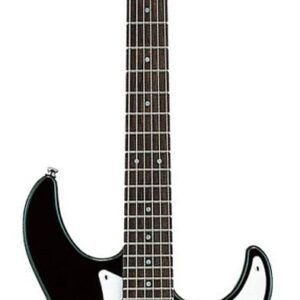
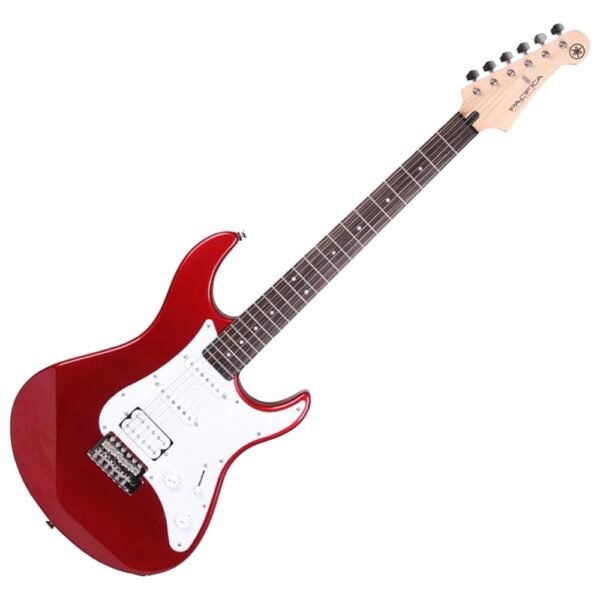
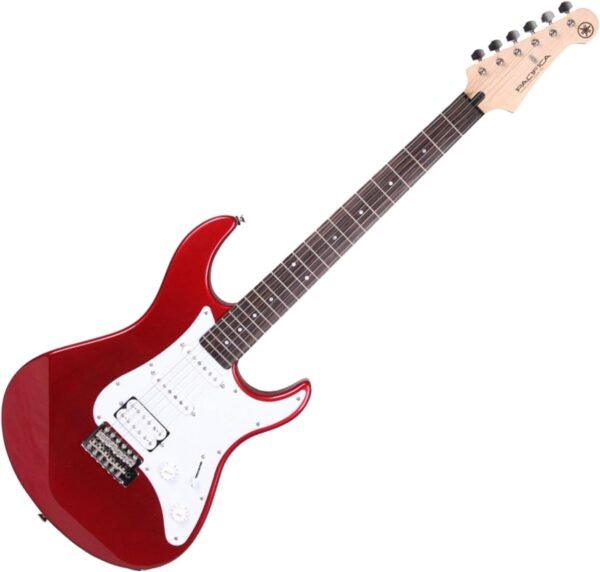
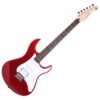
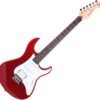
The Yamaha PAC012 is a full-size solid body electric guitar from the long-running Pacifica line, listed here in a Red Metallic gloss with a maple neck and an Indian rosewood fingerboard. It is aimed at first-time electric players and at anyone who wants a familiar double-cutaway shape with a vintage-style tremolo, without stepping up to a boutique instrument.
The model number on the listing is PA012RM, and the specification table dates it to December 2004, which makes it one of the older designs still carried in the beginner electric segment.
Pros & Cons
Pros
- A maple neck with a rosewood fingerboard is a proven combination. Maple gives the neck stiffness so it holds a straight relief, and rosewood is a dense enough fretboard wood to take years of string wear without pitting.
- Twenty-two frets and a 25.5 inch style scale layout. Twenty-two frets is two more than a vintage-spec Stratocaster gives, which matters if lead lines run past the octave on the top strings.
- Chrome die-cast machine heads. Enclosed geared tuners hold their setting better than open-gear budget hardware and do not need lubrication.
- The Pacifica shape is contoured. A belly cut and forearm bevel make a 7.5 pound guitar sit more comfortably when seated than a flat slab body of the same weight.
Cons
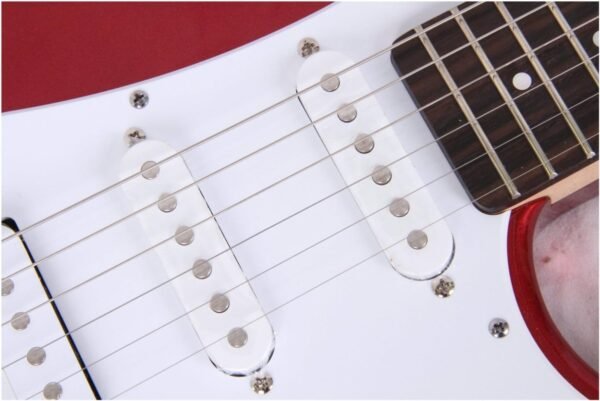
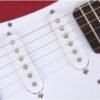
- The listing does not state the pickup configuration. The feature bullets on this page mention a versatile pickup setup, but neither the specification table nor the manufacturer bullet list names how many pickups there are or what type. On an electric guitar that is the single most tone-defining spec, and its absence means the sound cannot be predicted from the listing.
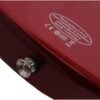
- The wood fields contradict each other. Body material is given as Agathis, while both Top Material and Back Material are given as Rosewood and Agathis Wood. A solid body electric of this kind does not have a rosewood top or back, and rosewood almost certainly belongs to the fingerboard field only. Anyone budgeting on tonewood grounds should treat the body as agathis and nothing more.
- A vintage-style tremolo needs setup work. Six-screw vintage bridges return to pitch reliably only when the knife edges, nut slots and spring tension are balanced. Out of the box on a budget instrument, heavy bar use will usually pull the tuning flat until a technician sets it up.
- Agathis is a soft, plain body wood. It takes finish well and keeps the price down, but it dents more easily than alder or ash, and screw holes for the strap buttons and jack plate can loosen over time.
Detailed Product Description
The body is agathis, a light-coloured softwood widely used in entry-level solid bodies because it machines cleanly and finishes to a smooth gloss. In practice, agathis is tonally neutral: it does not add the midrange bark of mahogany or the snap of ash, so the amplifier and the pickups do most of the shaping. The finish here is Red Metallic, a solid colour that hides the grain, which is the usual reason a maker chooses agathis in the first place.
The neck is maple, bolted in the standard way for this body style, with an Indian rosewood fingerboard carrying 22 frets. Rosewood has open pores and a slightly softer feel under the fingertips than maple, which many players prefer for bending. It also needs occasional oiling, unlike a lacquered maple board.
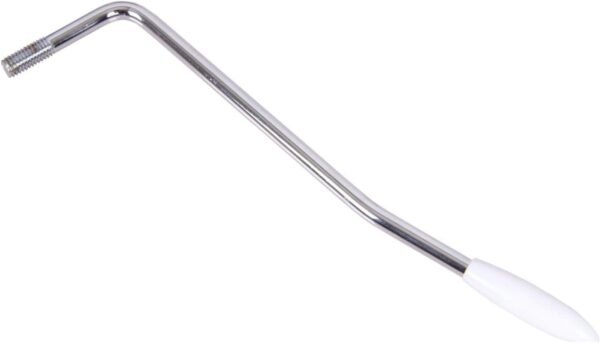
Hardware is a vintage style tremolo bridge with chrome die-cast tuners. The tremolo means the bridge floats or sits flush against the body depending on spring tension, and that choice changes the feel of the whole instrument. Set flush, tuning is stable and the bar only lowers pitch. Set floating, the bar goes both ways but a broken string pulls everything else sharp.
Listed weight is 7.5 pounds with shipping dimensions of 42.52 by 17.72 by 3.94 inches. That weight is normal for a contoured solid body of this size and is light enough for long standing practice.
What Comes with the Product
The listing describes the instrument only. There is no amplifier, no cable, no gig bag, no strap, no tuner and no set of spare strings mentioned anywhere in the product data. Anyone buying this as a first electric will need at minimum a cable and a practice amplifier or headphone amp before it makes a sound, plus a strap if it will be played standing. A guide to what a beginner actually needs alongside the instrument is worth reading before ordering, and the same applies to choosing a practice amplifier that suits a room rather than a stage.
Who It Suits
This suits a first-time electric player who wants a full-size instrument with a contoured body and a bridge that can be set up either way, and who is buying the amplifier separately rather than taking a bundled one. It also suits a second guitar for someone who already owns an amp and wants a knockabout instrument with a tremolo.
It suits less well anyone who needs to know the exact tone before ordering, because the pickup configuration is not published. It also suits less well a young beginner with a small frame, since this is a full-scale, full-size body. A shorter instrument is the better route there. Players who want a hardtail bridge and no tremolo maintenance should look at a fixed-bridge model instead.
How to Maintain
Wipe the strings down after every session; sweat is what corrodes a wound string and dulls it. Oil the rosewood fingerboard once or twice a year when the board looks grey and dry, using a dedicated fretboard conditioner rather than furniture polish.
Check neck relief seasonally. Maple necks move with humidity, and a quarter turn of the truss rod usually corrects a spring or autumn change. Keep the tremolo springs at a tension that matches the string gauge; changing gauge without rebalancing the springs is the most common cause of sudden tuning trouble on this bridge type.
Store the guitar in a case or on a padded stand rather than leaning against a wall, and keep it away from radiators and direct sun, which lift finish and dry out the fingerboard.
Tips and Recommendations
Set the tremolo flush to the body with an extra spring if tuning stability matters more than bar range. This turns the guitar into a near-hardtail and removes most of the tuning complaints associated with vintage bridges.
Have the nut slots checked. On budget instruments the nut is usually the limiting factor for tuning return, not the bridge. A few minutes of slot filing at a workshop makes a larger difference than replacing the tuners.
Product FAQ
What pickups does it have? The listing does not say. The specification table has no pickup configuration field filled in, and the manufacturer bullets list only body, bridge, fingerboard, frets and tuners.
How heavy is it? The listed item weight is 7.5 pounds.
Does it come with an amplifier? No. The product data lists no accessories at all.
More options in the same class are collected under electric guitars. Close comparisons include the Yamaha PAC012 in black, the left-handed Yamaha Pacifica PAC112JL and the Squier Bullet Stratocaster. For background, see Yamaha guitars for beginners and guitar body shapes explained.