
Cleaning a guitar takes two habits. After every session, wipe the strings, the neck and the body with a dry microfibre cloth. Two or three times a year, do a deeper clean with the strings off: clean the fretboard, polish the frets, treat an unfinished fingerboard with a little oil, and wipe the hardware.
Almost everything that goes wrong here comes from using the wrong product. Household furniture polish, glass cleaner, alcohol and anything containing silicone can damage a guitar finish or contaminate the wood so that future repairs will not bond. A dry cloth solves most of the job, and a proper guitar polish handles the rest.
Key takeaways
- A dry microfibre cloth after every session does more good than any product.
- Never use household polish, alcohol, ammonia, or anything with silicone on a guitar.
- Unfinished rosewood or ebony fingerboards want oiling once or twice a year. Maple fingerboards with a finish on them do not.
- Gloss finishes show fingerprints and want frequent light wiping. Satin and matte finishes hide marks but can be polished shiny by accident.
- Do the deep clean while the strings are off during a restring. It costs no extra time.
The after every session routine
This takes under a minute and it is the highest value maintenance you can do. Run a dry microfibre cloth along the length of the strings, getting the underside as well as the top, because the underside sits against the fretboard and collects the most sweat. Then wipe the back of the neck and the body where your forearm rests.
No product is needed at this stage. You are removing sweat and skin oil before they corrode metal or dull the finish, and doing it consistently roughly doubles the usable life of a string set, as covered in how often you should change guitar strings. Washing your hands before playing helps as much as wiping afterwards.
Cleaning the body by finish type
Gloss polyurethane or polyester. This is what most guitars under a few hundred are finished with, and it is tough. A dry cloth handles daily marks. For built up grime, use a dedicated guitar polish sprayed onto the cloth rather than onto the guitar, then buff dry. Gloss shows every fingerprint, so expect to wipe it often.
Satin or matte. Use a dry cloth and light pressure only. Polishes and hard rubbing will burnish a satin finish into shiny patches, which cannot be reversed without refinishing. If a satin neck feels sticky, a dry wipe is the correct fix, not a product.
Nitrocellulose lacquer. Found on higher end and vintage style instruments. It is thin, soft and reactive. Avoid any polish not specifically labelled as nitro safe, and keep the guitar off rubber stands and out of contact with anything vinyl, since both can react with the lacquer and leave permanent marks.
Whatever the finish, spray onto the cloth and never directly onto the guitar. Liquid running into the soundhole, into pickup cavities or under the bridge causes problems that a dry cloth never will.
The deep clean, done during a restring
- Take the strings off. On a fixed bridge, remove all six. On a floating tremolo, work one string at a time and skip the full fretboard clean, or accept the rebalancing job afterwards.
- Scrape the gunk off the fretboard. A dry cloth over a fingertip removes most of it. For stubborn build up, a plastic scraper or a folded piece of card works, and superfine 0000 grade steel wool is the traditional tool for unfinished boards. Mask the pickups first if you use steel wool, because the filings are magnetic.
- Oil the fingerboard if it is unfinished. Rosewood, ebony and pau ferro are usually left bare and dry out over time. Apply a small amount of lemon oil or a purpose made fingerboard conditioner, let it sit a minute, then wipe off everything that has not soaked in. Once or twice a year is plenty. Over oiling softens the wood around the fret slots.
- Do not oil a finished board. Maple fingerboards almost always have lacquer over them, and so do the composite fingerboards used on some travel guitars. Oil simply sits on the surface. Wipe them and move on.
- Wipe the hardware. Tuners, bridge, saddles and pickup covers all collect dust and tarnish. A dry cloth, or a barely damp one on chrome, is enough. Keep moisture away from electronics.
- Restring, stretch and retune. Then wipe the new strings down before you put the guitar away, so the routine starts clean.
Things that quietly cause damage
Silicone based polishes leave a residue that soaks into bare wood and prevents finish and glue from bonding later, so any repair afterwards costs more. Read the label and avoid it.
Alcohol and ammonia based cleaners strip finish, especially nitrocellulose, and baby wipes and household surface wipes fall into the same category. Paper towel scratches gloss finishes because the fibres are far harder than the cloth you should be using.
Storage does as much damage as cleaning products, and a guitar kept in the wrong humidity will develop problems no cloth can fix. The guide to how to store a guitar covers the humidity and temperature side. If the action or the neck feels different after a season, that is a setup matter rather than a cleaning one, and guitar action and why a setup matters explains what a technician adjusts.
Guitars grouped by how much cleaning they ask for
Finish type genuinely changes the upkeep. These four are drawn from the review library on this site.
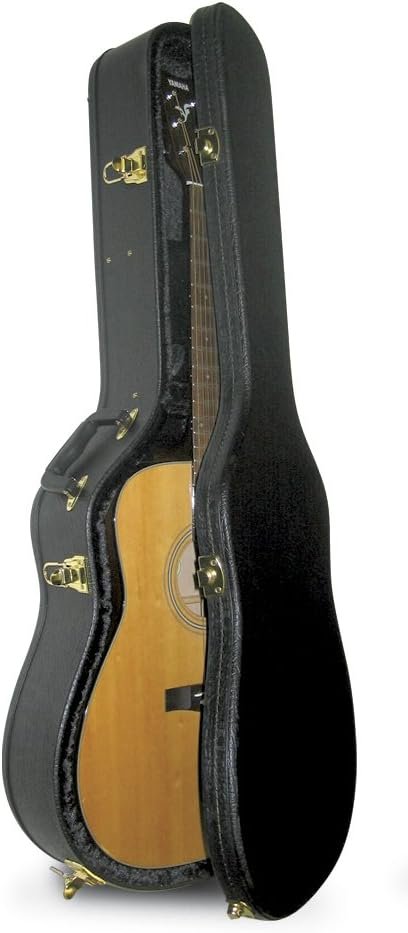
- Yamaha F1HC pairs a spruce top guitar with its own hardshell case, and its gloss finish is described in the review as a fingerprint magnet that needs regular wiping. Suits someone who does not mind a quick wipe down in exchange for a shiny finish and a case included.
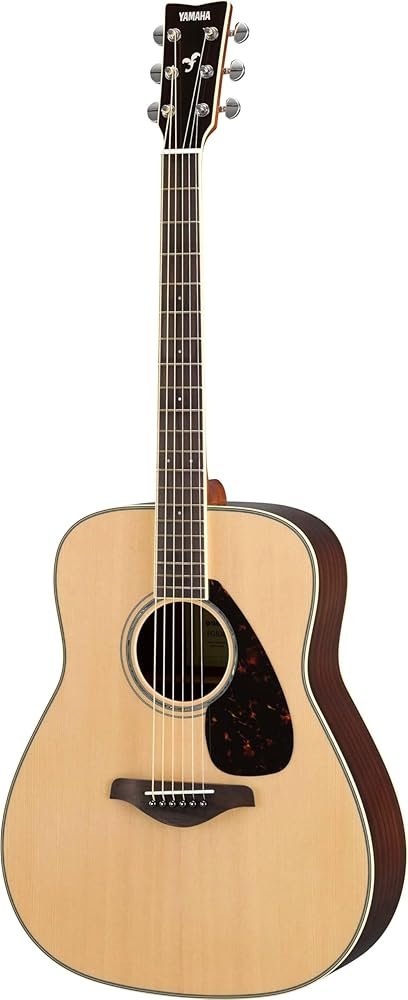
- Yamaha FG820 uses a matte neck finish that stays smooth under a sweaty hand and shows fewer marks. A solid spruce top dreadnought for a player who wants low fuss upkeep on a full size acoustic.
- Cordoba Mini II M has a satin polyurethane finish that protects the body and neck from wear, on a compact layered mahogany nylon string body. Wipe it dry and leave the polish in the drawer.
- Donner RISING-G1 combines a carbon fibre top with mahogany back and sides and an HPL fretboard, so the fingerboard needs no oiling at all. A practical choice for travel, camping and anyone who would rather not think about maintenance.
Browse further in the acoustic guitar reviews, and see guitar accessories beginners need for the cloth, stand and case worth buying alongside a first guitar.
FAQ
Can I use furniture polish on a guitar?
No. Most furniture polishes contain silicone, which soaks into wood and prevents finish and glue from bonding in any future repair. Some also contain solvents that attack lacquer. Use a polish sold specifically for guitars, and only on gloss finishes.
How often should I oil the fretboard?
Once or twice a year on an unfinished rosewood or ebony board, or when the wood starts to look grey and dry. Use a small amount and wipe off any that does not absorb within a minute. Never oil a maple board that has lacquer on it, or a composite fingerboard.
How do I clean tarnished frets?
With the strings off, buff each fret with 0000 grade steel wool or a fret polishing cloth. Mask the fingerboard with tape, and mask or remove pickups first because steel wool filings stick to magnets. A quick buff makes bends feel noticeably smoother.
Should I clean inside the guitar body?
Rarely, and gently. Dust inside an acoustic does no harm. If something has fallen in, tip it out through the soundhole rather than reaching in with tools, since the braces and the underside of the top are fragile. Never spray any liquid into the soundhole.