
Most players should change guitar strings every one to three months. If you play an hour a day, plan on roughly every four to six weeks. If you play a few times a week, three months is a reasonable interval, and if the guitar mostly sits in a case, twice a year is enough.
Those are starting points, not rules. Playing time is only one factor, and sweat chemistry, humidity and string type move the number a lot. The better habit is to learn the signals a worn set gives off, because a guitar tells you it needs strings well before any calendar does.
Key takeaways
- Daily player: every four to six weeks. Weekly player: every two to three months. Occasional player: twice a year.
- Dull tone, refusal to hold pitch, visible discolouration and grime in the windings are the four signals that matter.
- Acoustic strings usually die faster than electric strings because the bronze windings oxidise.
- Coated strings last noticeably longer for sweaty hands, at a higher cost per set.
- Wiping the strings down after every session is the cheapest way to extend their life.
The four signs a set is finished
The tone goes dull. New strings are bright and have a clear ring on top of the note. As metal fatigues and dirt fills the windings, the highs fade and everything sounds flat and thuddy. Because the change is gradual, most players do not notice until they fit a new set and hear the difference.
Tuning stability collapses. A worn string develops uneven spots along its length, so it will not settle at pitch and drifts within a single song. If the guitar was holding tune fine a month ago and now will not, strings are the first thing to check, before anything mechanical.
You can see it. Bright bronze acoustic strings turn dark and dull. Nickel electric strings go grey and blotchy where fingers land. Run a finger under the strings and check the underside, which corrodes first because it sits against the fretboard and traps sweat.
They feel wrong. Kinks over the frets, a gritty feel when you slide, or fingertips coming away black all mean the set has done its work.
What actually kills strings
Corrosion does more damage than playing does. Sweat carries salt and acid, and it sits on the string after you put the guitar down. Hand chemistry varies enormously between people, which is why one player gets six months from a set and another kills one in two weeks with the same playing hours.
Humidity accelerates it. A guitar stored in a damp room or a hot car will lose strings faster than one kept in a stable indoor environment. Storage matters here as much as playing does, which is covered in more depth in how to store a guitar.
Metal fatigue is the second mechanism. Every bend and every vibration works the steel slightly, which is why heavy benders and aggressive strummers go through strings faster even with clean hands.
How string type changes the interval
Phosphor bronze and 80/20 bronze acoustic strings sound superb for the first week and then fade steadily. Phosphor bronze holds up longer than 80/20, which is brighter out of the packet but oxidises faster. Acoustic players who care about recorded tone often change far more often than the general guidance suggests.
Nickel wound electric strings last longer in practice, partly because the tone is shaped by pickups, amp and gain rather than by the ring of the string alone. A distorted rhythm tone hides string age well. A clean tone does not.
Coated strings carry a thin polymer layer that keeps sweat out of the windings. They commonly last two to three times as long, feel slicker, and sound marginally less bright when new. For a player with acidic sweat they are usually worth the higher price per set.
Nylon strings behave differently again. The plain trebles do not corrode, but they go false over time and stop producing a true pitch, while the wound basses lose brightness much faster. Classical players often replace sets every two to three months regardless of how they look.
Changing them: the practical points
Change one string at a time or the whole set at once, but be consistent. Removing all six at once is fine on a fixed bridge and lets you clean the fretboard properly. On a guitar with a floating tremolo, changing one string at a time keeps the bridge balanced and saves a long resetting job.
Wind neatly. Two to three wraps around the post for wound strings and three to four for plain strings, going downward toward the headstock face. Neat winding is the difference between a guitar that holds pitch and one that slips constantly.
Stretch the new set. Pull each string gently away from the fretboard, retune, and repeat two or three times until the pitch stops dropping. A restring session takes about fifteen minutes once you have done it a few times, and it is the single most valuable maintenance skill to own. Pair it with a fretboard wipe while the strings are off, as described in how to clean and maintain a guitar.
Guitars where restringing habits matter most
Some instruments are more sensitive to string age than others. These four come from the review library on this site and illustrate the range.
- Donner 41 Inch Acoustic Bundle ships with phosphor bronze strings over a high carbon steel core and includes a spare set plus a tuner in the kit. Suits a first time buyer who wants the parts for their first restring already in the box.
- Vangoa 12 String Acoustic doubles the workload, since a full change means twelve strings and twelve tuners. It uses a bone nut and saddle and dense purple heart bridge, and it rewards fresh strings because the shimmering doubled tone is the whole point of the instrument.
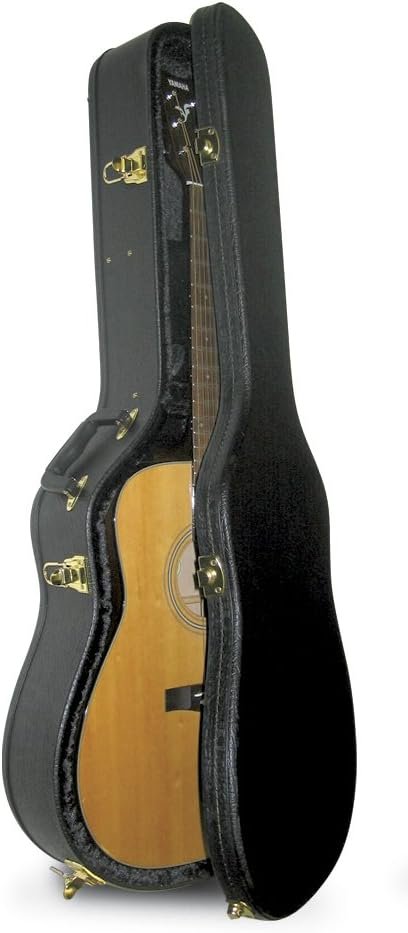
- Yamaha C40 Classical is a nylon strung guitar, so restringing means tying at the bridge rather than dropping in a ball end. Slower to learn, gentler on the fingertips, and a common starting point for younger players.
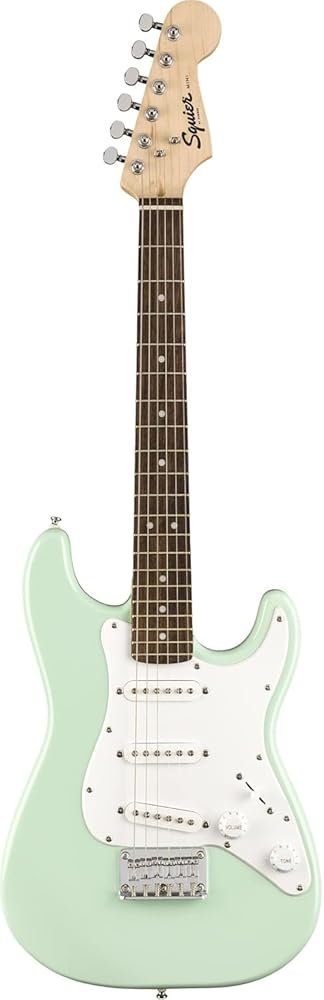
- Fender Squier Bullet Stratocaster uses a six saddle hardtail bridge, which means no floating tremolo to rebalance. That makes it one of the easier electrics to restring for someone learning the process. Browse more in the electric guitar reviews.
Choosing a thickness for the next set is a separate decision, and it changes feel more than most beginners expect. Start with guitar string gauge explained.
FAQ
Do strings go bad if the guitar is never played?
Yes, slowly. Oxidation continues whether the guitar is played or not, driven by air and humidity. A guitar left strung and untouched for a year will usually need a new set before it sounds right, even though it shows no wear from playing.
Should I change one string or the whole set?
Replace the whole set unless a string breaks early in its life. Mixing one new string with five worn ones gives an uneven sound, since the new string will be brighter and louder than the rest. Keep the broken string’s replacement as a spare and change the full set when the others are due.
Can I make strings last longer?
Wipe the strings down with a dry cloth after every session, including the underside, and wash your hands before playing. Store the guitar in a case or bag rather than open in a humid room. Coated strings help if your sweat is particularly acidic. These steps together often double the usable life of a set.
Does a new set need a setup?
Not if you fit the same gauge you removed. Changing to a thicker or thinner gauge alters string tension on the neck, which can shift relief and action enough to need a truss rod tweak. See guitar action and why a setup matters before switching gauges.