
At the bottom of the guitar market you are mostly buying a body shape and a box of accessories. The wood, the hardware and the setup vary from one unit to the next, and the bundled amp, tuner, strap and gig bag are a large part of what makes the price look attractive.
That is not an argument against buying one. Budget guitars are far better now than they were twenty years ago, and a cheap guitar that gets played beats an expensive one that sits in a cupboard. It is an argument for knowing exactly which corners were cut, so you can judge whether they matter to you.
Key takeaways
- Many budget brands are names on a box, not factories. Several share the same contract plants.
- The savings come from setup time, fretwork, tuners and electronics, in roughly that order of impact.
- Bodies and necks are usually fine. It is the small metal parts and the final adjustment that let a cheap guitar down.
- A budget guitar plus a professional setup often plays better than a pricier guitar straight out of the box.
- Legacy budget lines and major brand entry lines carry less risk than unknown kit brands.
What a budget brand usually is
Most inexpensive guitars are not built by the company on the headstock. They are ordered from contract factories that build to a specification and a price, and the same plant will happily build for several competing names in the same week. That is why two guitars from unrelated brands can arrive with identical hardware, identical body routing and identical accessory kits in different colours.
The practical consequence is that brand name carries less information here than it does higher up the market. What tells you more is the specification, the tier, and how long the model has been in production. Something that has been sold in the same form for years has usually had its problems ironed out.
The three tiers of cheap
Kit brands. Names that exist mainly to sell complete starter packages, where the guitar arrives with an amp, cable, strap, picks, tuner, spare strings and a bag. Glarry, Ktaxon, LyxPro, Best Choice Products, RockJam and similar sit here. The value is real, and the variance is the highest of any tier.
Established budget specialists. Brands with a longer track record and more stable specifications, such as Donner, Pyle, Ashthorpe, Vangoa, Monoprice, Oscar Schmidt, Hohner and Jasmine. Still inexpensive, but you are more likely to get the guitar the description promised.
Entry lines from the big names. Squier from Fender, Epiphone from Gibson, the Yamaha and Ibanez starter ranges. These cost more than the tiers above and come with tighter tolerances and much better resale. The trade offs are explained in Fender vs Squier and Epiphone vs Gibson.
What you actually get less of
Final setup. The biggest single difference and the one beginners feel most. Action set too high makes chords hurt. Nut slots cut too shallow make the first three frets play sharp. Neither is a design fault. Both are the result of a guitar leaving the factory without enough bench time.
Fretwork. Levelling and crowning frets is slow handwork, so budget instruments get less of it. Sharp fret ends along the edge of the neck are the classic sign, and they are a symptom of wood shrinking after the frets were installed rather than of carelessness alone.
Tuners. Cheap machine heads have more backlash in the gears and lose pitch under bends. This is the most common complaint and also the easiest and cheapest part to replace later.
Electronics. Pickups wound to a price, thin wiring and low grade pots and switches. Symptoms are hum, crackle when you turn a knob, and a tone control that does very little across most of its travel.
Consistency. The quiet one. A budget model can be excellent or mediocre depending on which unit arrives, which is why reviews of the same guitar often disagree with each other.
What is genuinely fine at this price
Bodies and necks. Basswood, poplar, paulownia and okoume are all perfectly serviceable, and modern CNC machining means the routing and the neck pocket are usually accurate. The days of warped necks as standard are gone.
Finishes are also better than they used to be. Gloss polyurethane is cheap to apply and durable, which is why so many budget guitars look far more expensive than they are in photographs.
And the accessories genuinely count. A bundle that includes a tuner, a strap, a spare set of strings and something to plug into removes every small excuse not to practise. That is covered in more detail in what is in a guitar starter bundle.
The setup question
Budget a small amount on top of whatever you spend for a setup by a local technician. Relief, action, intonation and nut slots get adjusted, and the guitar you get back is often unrecognisable from the one you handed over.
This is the single highest return decision in the whole budget category. A well set up cheap guitar routinely plays better than a much more expensive one that nobody has touched. See action and setup explained for what the work involves, and use how much to spend on a first guitar to plan the total.
Budget guitars from the review library worth a look
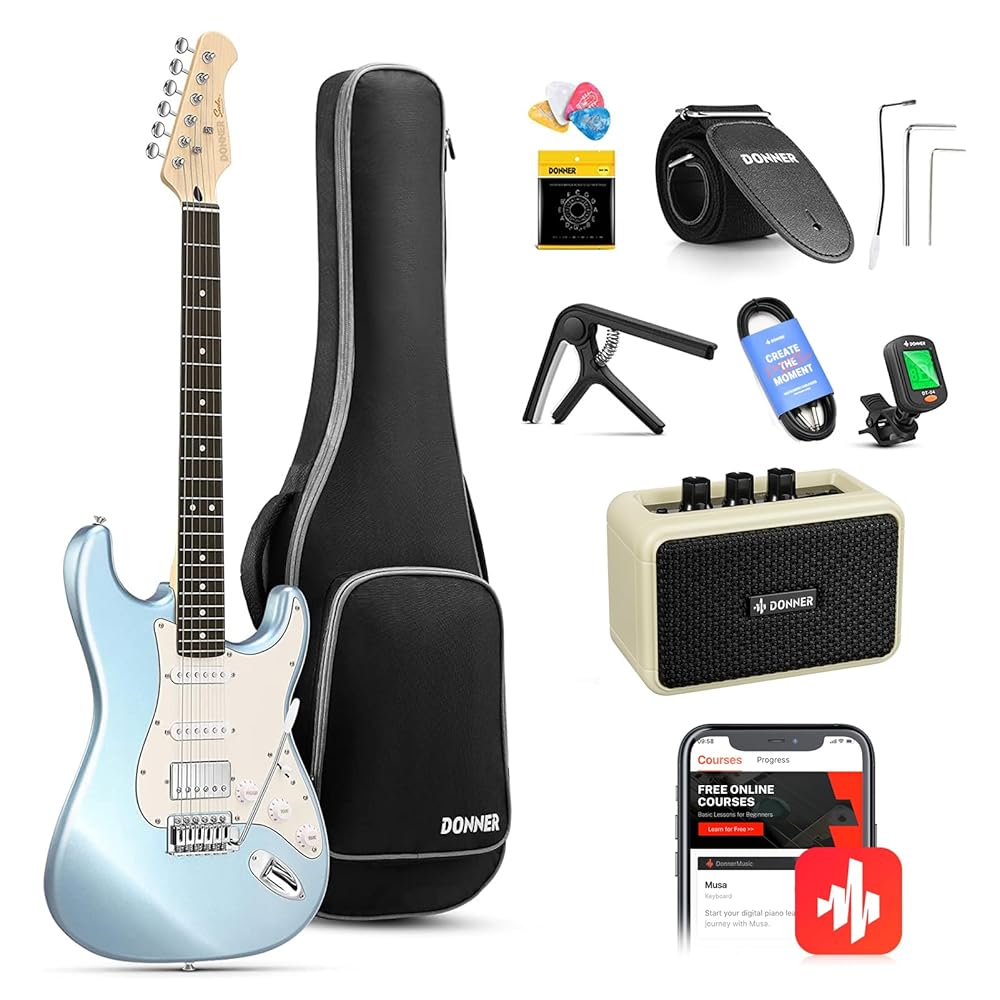
Donner DST-152. An HSS pickup layout with coil splitting for seven sound modes, a C shaped maple neck with a built in stiffener, and a complete kit including amp, gig bag, tuner, capo and strap. Suited to a beginner who wants to try several styles without buying a second guitar.
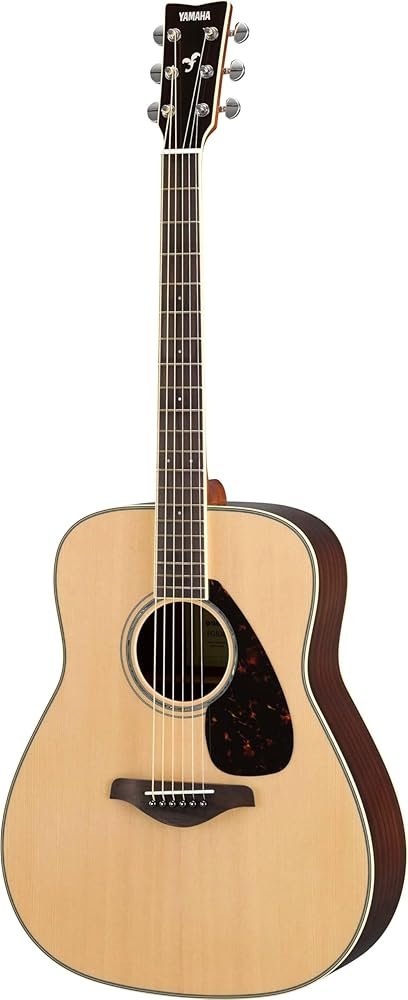
Jasmine S35. A long running budget acoustic with a spruce top, rosewood fretboard and a slim neck. The review highlights that it needs little adjustment out of the box, which is unusual at this level and the main reason it keeps getting recommended.
Monoprice Cali Classic. Industry standard specifications including 22 frets and a 25.5 inch scale, a satin neck, and a large open control cavity that makes swapping pickups and pots straightforward. A sensible platform if you plan to modify rather than replace.
Glarry 39 Inch Electric Guitar Kit. About as inexpensive as an electric gets, with a basswood body, a maple fretboard and a full accessory pack including amp and bag. Reasonable for a curious first try or a second guitar for a different tuning, with the caveat that this tier varies most from unit to unit.
Browse the wider electric guitars and acoustic guitars sections for more at this level.
Common questions
Are cheap guitars harder to learn on?
Only if they are badly set up, which is the usual case rather than a rule. High action makes fretting painful and slows progress. That is fixable, and once it is fixed a budget guitar teaches the same chords as any other.
Is it worth upgrading a budget guitar?
Tuners and a setup, yes, because both are cheap and both change how the guitar behaves every day. Pickups are worth it only if you like the neck and the feel already. Beyond that the parts bill starts to approach the cost of a better instrument.
Do different budget brands actually differ?
Less than the marketing suggests, because several share factories. What does differ is how tightly a brand specifies its orders and how consistently it holds a model in production. Longer running models from established budget names are the safer bet.
Should a beginner just buy second hand instead?
It can get you a better instrument for the same money, but it needs judgement you may not have yet. Checking neck relief, fret wear and electronics is a learned skill. If nobody experienced can look with you, a new budget guitar with a return option is the lower risk route.