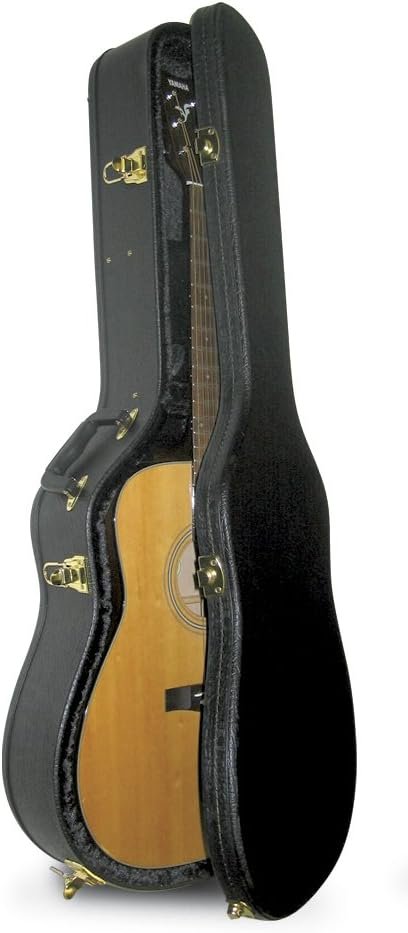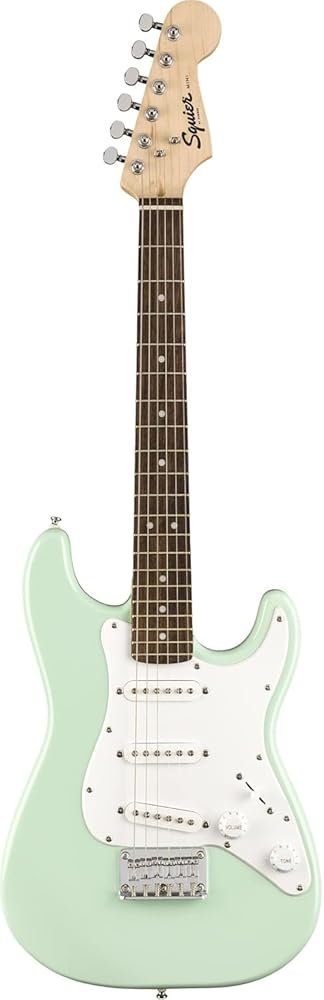

The simplest way to practise guitar quietly is a headphone amp or a practice amp with a headphone jack, which drops the sound in the room to almost nothing while you hear a full tone in your ears. Beyond that, silent guitars with a frame instead of a body, unplugged electrics and a few acoustic damping tricks cover most living situations.
Quiet practice is not a niche problem. Flats, thin walls, shift working partners and sleeping children all put a ceiling on when a guitar can be heard, and that ceiling is usually the reason people practise less than they intend to. The fix is cheap and it removes the excuse entirely.
Key takeaways
- An electric guitar unplugged is already quiet, roughly at the level of a normal speaking voice, and that alone solves a lot of noise problems.
- A headphone jack on a practice amp is the cheapest silent rig you can build. Many beginner packs already include one.
- Plug in headphone amps that sit directly in the output jack cost very little and need no amp at all.
- Silent guitars use a frame instead of a hollow body, so they produce almost no acoustic volume while still feeling like a full scale instrument.
- Acoustics are the hardest to quieten. Lighter strings, a soundhole cover and playing with your fingers instead of a pick help, but they only take you so far.
Headphone amps and amps with a headphone output
A plug in headphone amp is a small unit that inserts straight into the output jack of an electric guitar. Headphones go into the other end, and that is the whole rig. Most include a gain control and some basic effects, and many run on a rechargeable battery, so there is no cable and no mains socket involved.
The alternative you may already own is a practice amp with a headphone socket. Plugging headphones in usually mutes the speaker, giving you the same amp voicing at zero room volume. If the amp also has an aux input or Bluetooth, you can mix a backing track into the same headphones and practise with a rhythm section at any hour.
Audio interfaces and amp modelling software take this a step further. A small interface connects the guitar to a laptop or phone, software supplies the amp tone, and you monitor through headphones. The tradeoff is latency and setup time, which is why a dedicated headphone amp is still the fastest option for a short practice session.
How quiet is an unplugged electric?
Solid body electric guitars have no soundbox, so the strings vibrate against a dense slab of wood and produce very little acoustic output. Played unplugged in a quiet room, an electric is audible to you and barely noticeable through a closed door. That makes it the default quiet instrument, before you buy anything at all.
The catch is that unplugged practice trains bad habits. Without amplification you cannot hear string noise, sloppy muting or uneven picking dynamics, all of which become obvious the moment you plug in. Use unplugged practice for chord shapes and finger memory, and use headphones when you want to hear what you actually sound like.
Silent guitars and travel instruments
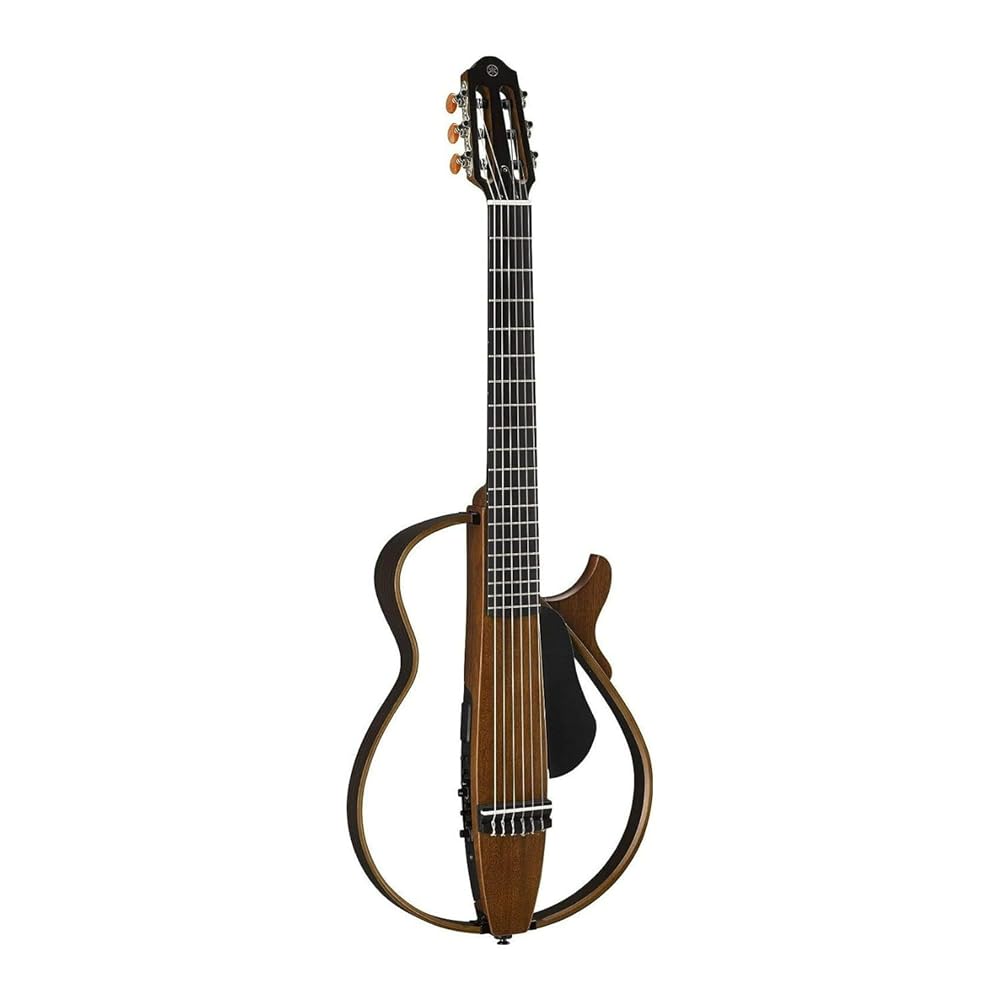
Silent guitars replace the hollow body with a slim frame, keeping the full scale length, neck and string spacing while removing the resonating chamber that makes an acoustic loud. Acoustically they are close to inaudible. Plugged into headphones they use modelling to recreate the sound of a mic in front of an acoustic, complete with reverb.
They cost considerably more than a beginner acoustic, so they suit an established player with a noise problem rather than someone in their first month. Compact travel acoustics with a pickup fitted are a middle ground, since they are quieter than a full dreadnought and can be played through headphones with a preamp or interface.
Quietening a normal acoustic guitar
An acoustic is built to be loud, so every technique here is a compromise rather than a cure. A few of them still help.
- Play with your fingers. Fingerstyle is noticeably quieter than strumming with a pick and it is worth learning anyway.
- Fit lighter strings. Moving from medium to light gauge reduces tension and volume slightly, and makes fretting easier. See guitar string gauge explained.
- Use a soundhole cover. A rubber feedback buster damps the body resonance and takes a real bite out of the volume.
- Weave a cloth under the strings. Threading a tea towel between the strings near the bridge mutes the ring almost completely, which is useful for chord change drills.
- Pick a smaller body. A parlour or concert size acoustic pushes less air than a dreadnought. The differences are covered in guitar body shapes explained.
Instruments and packs suited to quiet practice
These options from the review library all give you a route to practising without filling the house with sound.
- Yamaha SLG200N silent guitar. A nylon string silent guitar with a frame body, onboard reverb and chorus, a built in tuner and an aux input for backing tracks. Built for exactly this problem, and priced for a committed player rather than a first timer.
- Enya NOVA Go SP1 carbon fibre acoustic electric. Carries onboard reverb, delay and fusion effects with no pedals or amp required, plus USB connectivity for recording. Suits a player who wants effects and headphone practice in one lightweight instrument.
- Traveler Guitar Ultra Light acoustic electric. Just under three pounds with an in body tuning system, a piezo pickup and a standard output jack for headphone practice. The right pick if quiet practice needs to happen in hotel rooms as well as at home.
- RockJam Electric Guitar Superkit. The bundled 10 watt amp has a headphone output, so the whole rig can go silent without extra purchases. A straightforward starting point for a beginner in a flat.
If you are leaning towards an electric mainly because it is quieter, the electric guitars section is the place to browse, and guitar amp wattage explained for home practice covers how small an amp you actually need.
Frequently asked questions
Do I need special headphones for guitar practice?
No. Any wired over ear or in ear headphones will work. Closed back headphones leak less sound into the room, which matters if the point is to avoid disturbing someone. Avoid wireless models for practice, since Bluetooth adds a delay between your picking hand and the sound.
Can you practise acoustic guitar silently?
Not silently, but you can get it much quieter. A soundhole cover, lighter strings and fingerstyle playing together make a real difference. If genuinely silent practice is the requirement, a silent guitar or an electric with headphones is the only reliable answer.
Is unplugged electric practice good enough?
It is fine for learning chord shapes, scales and finger placement. It is poor for developing dynamics and muting, because you cannot hear the noise your hands are making. Alternate between the two if you can. A structured approach helps, and beginner guitar practice routine sets one out.
Will a headphone amp work with an acoustic guitar?
Only if the acoustic has a pickup and an output jack, which makes it an acoustic electric. A plain acoustic has nothing to plug into. Even then the body still rings out acoustically, so headphones reduce nothing in the room.