
Store a guitar indoors at a stable room temperature with relative humidity between 45 and 55 percent, either in a case or on a proper stand or wall hanger. Keep it away from radiators, exterior walls, windows in direct sun, lofts, garages and the boot of a car, since those are the places where temperature and humidity swing hardest.
Humidity is the part most owners underestimate. A wooden acoustic guitar is a thin shell under constant string tension, and dry air shrinks that wood while damp air swells it. Cracked tops, lifting bridges, sharp fret ends and collapsing action are nearly all humidity problems rather than accidents.
Key takeaways
- Target 45 to 55 percent relative humidity. Below 35 percent and above 65 percent both cause damage.
- A hygrometer costs very little and turns guesswork into a number you can act on.
- A closed case is the most stable storage. A stand is the storage that gets the guitar played.
- Never leave a guitar in a car. Interiors reach damaging temperatures within an hour.
- Solid wood instruments are far more humidity sensitive than laminate ones, and carbon fibre barely cares at all.
Humidity: the numbers that matter
The accepted safe band for wooden guitars is 45 to 55 percent relative humidity, and most makers publish a figure in that range. Between 40 and 60 percent is tolerable. Sustained time below 35 percent or above 65 percent is where real damage starts.
Too dry. The top shrinks across the grain while the braces underneath hold it, and the wood eventually splits. Earlier warning signs are the action dropping so low that strings buzz, the top looking sunken between bridge and soundhole, and sharp fret ends along the edge of the neck where the fingerboard has shrunk but the metal frets have not. Winter heating is the usual cause, since heated indoor air can fall to 20 percent.
Too damp. Wood swells, the top bellies upward, the action climbs and the guitar sounds dull and lifeless. In extreme cases glue joints soften and the bridge lifts. Basements, bathrooms and unventilated rooms in humid climates are the risk spots.
Buy a small digital hygrometer and leave it inside the case for a reading of the guitar’s actual environment. If the room runs dry, a case or soundhole humidifier will hold the level. If it runs damp, a dehumidifier in the room does more good than anything placed in the case.
Case, stand or wall hanger
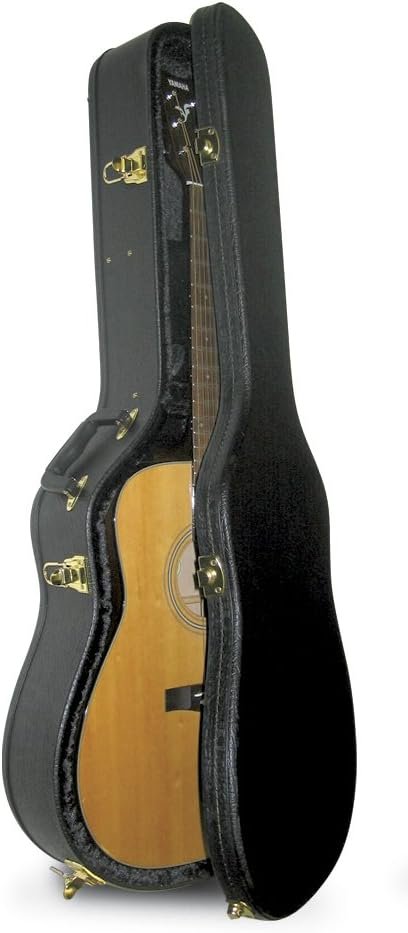
A hard case gives the most stable microclimate and the best physical protection. It buffers humidity swings, keeps dust off and survives knocks. The drawback is real: a guitar in a closed case gets played less, and for a beginner that matters more than the protection does.
A stand keeps the instrument visible and within reach, which is the single best predictor of daily practice. Use a stand with a wide base, place it out of walkways and away from where a door swings, and check that the rubber or foam contact points are safe for your finish. Some rubber compounds react with nitrocellulose lacquer and leave marks.
A wall hanger saves floor space and is safe for the neck. Hanging by the headstock does not damage a guitar, since the string tension the neck already carries is far greater than the instrument’s own weight. Fix the hanger into a stud or use proper wall anchors, and avoid an exterior wall or a spot above a radiator.
A practical compromise works for most people: stand or hanger for the guitar you play daily, case for anything you are storing for weeks. The trade offs between hard cases and soft bags are laid out in guitar cases versus gig bags.
Long term storage
If a guitar is going away for several months, do a few things first. Wipe the strings and body down, because sweat left on metal keeps corroding. Slacken the strings by a tone or so to reduce sustained tension on the neck, but do not detune them completely, since the neck is designed to sit under some load and removing all of it can shift relief.
Store the case flat or upright against a wall, not leaning at an angle where it can slide. Put a humidifier in the case if the space runs dry, and check it every few weeks. Choose an interior room over a loft, garage, shed or basement every time.
When bringing a guitar in from the cold, leave it in the closed case for an hour or two before opening it. A sudden temperature change against a cold finish causes finish checking, which is a web of fine cracks in the lacquer. Letting the case warm up gradually avoids it entirely.
Cases and instruments built for storage
These come from the review library on this site and cover the two ends of the problem: protecting a wooden guitar, or buying one that shrugs off the conditions.
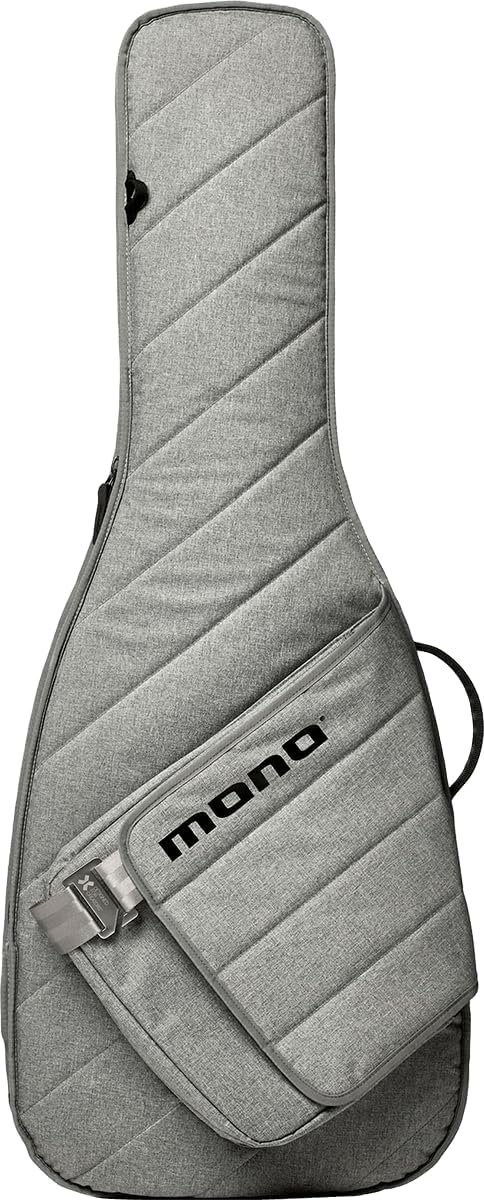
- MONO M80 Sleeve electric guitar case uses a patented neck suspension system with shock absorbing EVA rubber to protect the headstock, and a top loading design for stand up access. Suits a player who moves an electric around regularly and wants protection without a full hard case.
- Gator Deluxe Wood Case is a wood shell case with plush foam padding, locking latches and an accessory compartment for cables, picks and tuners. A sensible long term home for a double cutaway electric that is not in daily use.
- ChromaCast electric guitar hard case is a lockable wood hard case with a plush lined interior, chrome latches and bumpers, and a large storage compartment. Worth considering if you want a lockable case for storage rather than a bag for transport.
- Enya Nova Go carbon fibre acoustic takes the other route. Its one piece moulded carbon fibre body is unaffected by temperature and humidity changes, and it comes with a gig bag, strap, cleaning cloth and spare strings. A strong option for anyone whose storage conditions are genuinely poor.
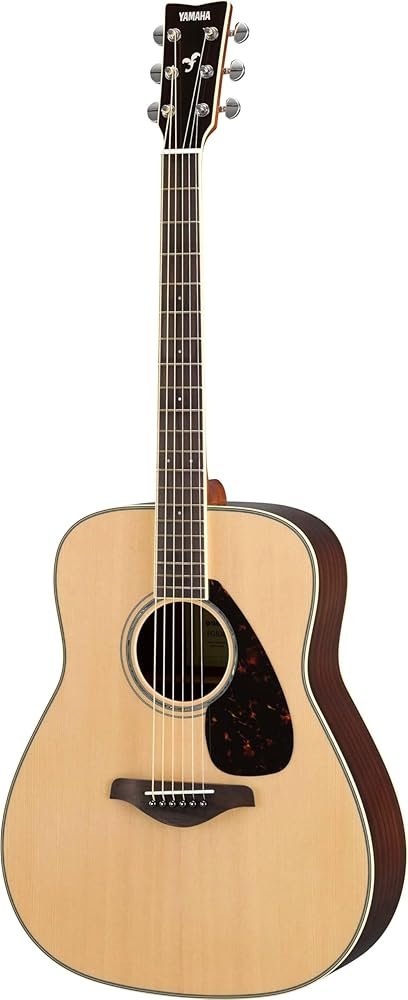
Some acoustics ship with a hardshell case included, such as the Yamaha F1HC, which pairs a spruce top guitar with its own case from the start. Browse more in the acoustic guitar reviews, and see guitar accessories beginners need for what else belongs alongside a first instrument.
FAQ
Should I loosen the strings when storing a guitar?
For short term storage, no. For months in a case, dropping the tuning by a tone reduces sustained tension without leaving the neck completely unloaded. Never fully slacken the strings on a guitar with a floating tremolo, because rebalancing the bridge afterwards is a long job.
Is hanging a guitar on the wall safe?
Yes, provided the hanger is fixed securely and cradles the headstock rather than pinching it. The neck already carries far more load from string tension than from the guitar’s own weight. Avoid hanging on an exterior wall, above a heat source, or in direct sunlight.
Do laminate guitars need humidity control?
Less than solid wood ones. Laminate is built from thin layers with grain running in different directions, which resists the movement that cracks solid tops. It is not immune, and the neck and fingerboard still respond to humidity, but a laminate instrument tolerates a wider range. See solid top versus laminate acoustic guitars for the tone side of that trade.
How do I tell if a guitar has dried out?
Look for three things: sharp fret ends you can feel along the edge of the neck, a sunken top between the soundhole and the bridge, and action that has dropped low enough to buzz. Catching it at that stage and rehumidifying slowly usually reverses the problem. Cracks mean it went further. A regular wipe down helps you notice changes early, as covered in how to clean and maintain a guitar.