
No, you do not need an amp to use an acoustic electric guitar. Unplugged it works exactly like an ordinary acoustic, so you can buy one, take it home, and play it for years without ever connecting a cable.
An amp only becomes necessary when you need to be heard over other instruments, over a room full of people, or through a recording. The pickup and preamp built into the guitar produce a signal, not sound. Something has to turn that signal into volume, and that something can be an acoustic amp, a PA system, an audio interface, or in some cases a set of headphones.
Key takeaways
- An acoustic electric plays unplugged like any acoustic guitar, so an amp is optional for home practice.
- You need amplification once you play with a drummer, a band, or an audience beyond a small room.
- An acoustic amp is voiced to stay clean and natural. An electric guitar amp is voiced to colour and distort, so it is the wrong tool for most acoustic work.
- A PA system or a small mixer often does the job better than a dedicated amp for singer players.
- An audio interface plus a laptop is the cheapest route if recording is your main goal.
What the electronics actually do
An acoustic electric is an acoustic guitar with a pickup fitted, usually a piezo element sitting under the saddle, along with a preamp mounted in the side of the body. The preamp boosts the pickup signal to a usable level and typically adds volume and tone controls, sometimes a full EQ, and often a built in tuner.
None of that affects the unplugged sound in any meaningful way. The guitar still produces its natural volume through the soundhole, and the electronics simply give you a second, parallel output that can travel down a cable. Many owners never use it.
When you genuinely need amplification
The honest test is whether anyone is struggling to hear you. Situations where the answer is yes:
- Playing with drums or electric instruments. An unamplified acoustic loses this fight every time.
- Open mics, small venues, or busking. Most venues will have a PA, so ask before you buy anything.
- Singing and playing together. Balancing voice and guitar is far easier when both go through the same system.
- Recording. Plugging in is quicker and more forgiving than setting up a microphone, although a microphone usually sounds better.
- Practising silently. Some guitars let you monitor through headphones, which is useful in a flat or late at night.
If none of those apply to you yet, buy the guitar for how it sounds acoustically and treat the electronics as a feature you may grow into. Our guide on quiet guitar practice options covers the headphone and low volume routes in more detail.
Acoustic amp, electric amp, or PA
These three are not interchangeable, and choosing the wrong one is the most common mistake here.
An acoustic amp is designed to reproduce the signal cleanly across a wide frequency range, often with a tweeter for string detail and a feedback control for the low boom that acoustic bodies produce at volume. Many include a second channel with a microphone input, which is exactly what a singer player wants.
An electric guitar amp is built to shape and compress the signal, roll off the top end, and break up when pushed. Run an acoustic through one and it will sound thin, boxy, and prone to squeal. It will make noise, so it works in an emergency, but it is not a solution.
A PA system or powered speaker is essentially a clean, full range amplifier with more headroom. For anyone who sings, this is often the better purchase, because one box handles the guitar and the vocal. If you do decide on an amp, our notes on amp wattage for home practice explain why small numbers go a long way indoors.
What else you will need in the bag
Plugging in adds a short list of extras that are easy to forget. A quarter inch instrument cable is the obvious one, and longer than you think you need is usually the right call. A spare preamp battery matters more than people expect, because a flat battery produces a weak, crackling signal that is easy to mistake for a broken guitar. Check whether yours takes a 9 volt block or two AA cells.
A clip on tuner is still worth carrying even when the guitar has a built in tuner, since onboard tuners drain the same battery. For the rest of the kit list, see guitar accessories beginners need.
Four acoustic electrics worth considering
Each of these approaches the plugged in question differently, and all four are reviewed in full on this site.
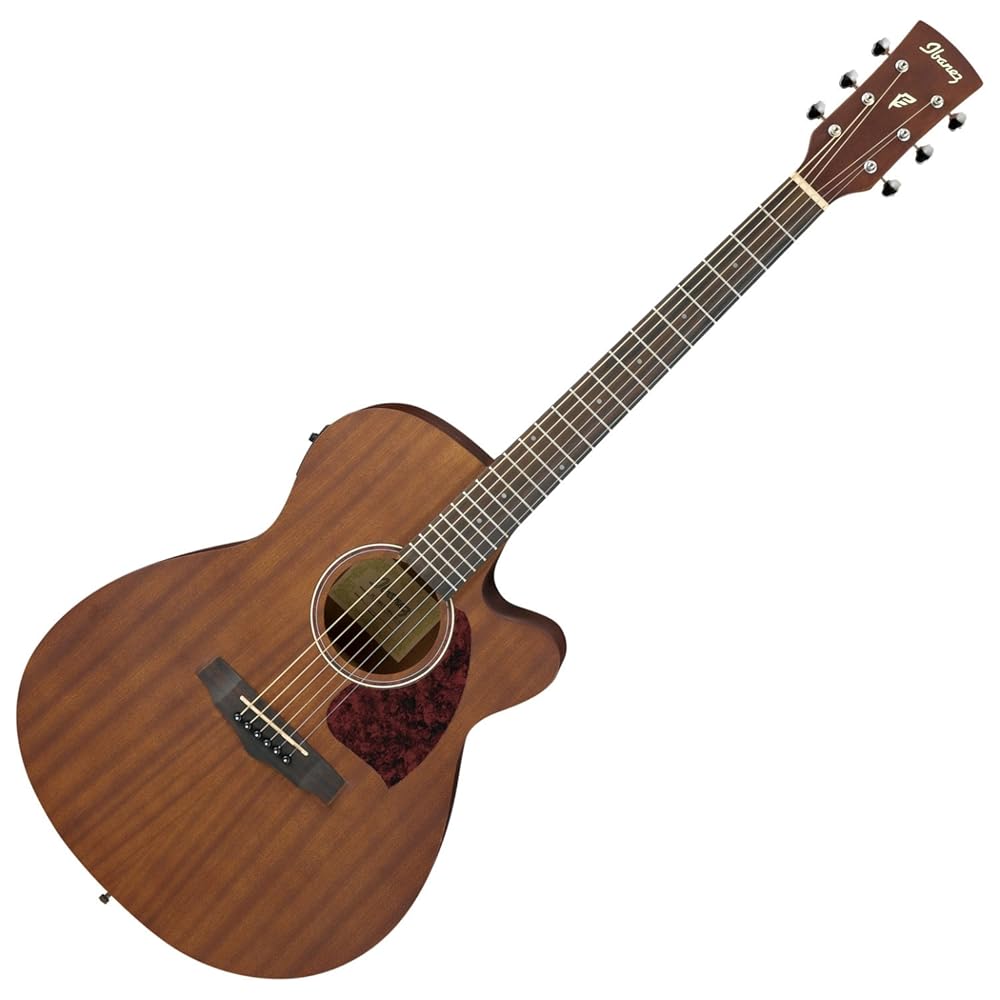
- Ibanez PC12MHCE. An all mahogany body with an onboard AEQ-2T preamp and built in tuner, giving you volume and tone control at the guitar. A solid choice if you want an instrument that sounds warm unplugged and is ready for a PA when you need it.
- Yamaha APXT2. A 3/4 size acoustic electric with an ART based pickup system, a Yamaha tuner, and a gig bag included. Suits smaller players and anyone who wants a compact guitar that can still plug in.
- Enya NOVA Go SP1. A carbon fibre guitar with an onboard SP1 system that provides reverb, delay, and fusion effects without pedals or an amp, plus USB connectivity for recording straight to a phone or computer. The closest thing here to a guitar that removes the need for extra gear.
- Donner 41 inch acoustic electric kit. A full size cutaway with a passive pickup and volume and tone controls, sold as a package that includes an amplifier. Worth a look if you want the plugged in option covered in one purchase.
More options sit in our acoustic guitars section and across the full review library. If you are still weighing up the broader choice, acoustic versus electric for beginners is the place to start.
Common questions
Does an acoustic electric sound different unplugged?
Not because of the electronics. A pickup and preamp add very little weight and sit out of the way of the top. Any difference in unplugged tone comes from the body shape, the woods, and whether the guitar has a cutaway, which removes a small amount of the soundbox.
Can I plug an acoustic electric into an electric guitar amp?
You can, and it will produce sound. It will not sound like an acoustic guitar, because electric amps deliberately cut the high end and add colour. Keep the volume moderate, set the amp as clean and flat as it goes, and treat it as a stopgap rather than a setup.
Why is my plugged in sound thin and quacky?
That nasal quality is characteristic of under saddle piezo pickups, and it gets worse with heavy picking. Pull the treble and upper mids back at the amp, play a little softer, and check the preamp battery. A preamp running low on power also thins out the signal noticeably.
Should a beginner pay extra for the electronics?
Only if you can see yourself performing or recording within the next year or two. Otherwise the same budget spent on a better plain acoustic will usually give you a better sounding guitar to learn on. Our guide to how much to spend on a first guitar works through that trade off.