
Buy the guitar that plays the music you actually want to play. That one rule settles the acoustic versus electric question faster than any spec comparison, because the beginner who enjoys practising is the beginner who is still playing in six months.
The old advice that everyone must start on acoustic is a leftover from a time when cheap electrics were genuinely bad. That has not been true for years. Both types are now capable at the entry level, and the real differences are about comfort, noise, and how much extra gear you have to buy alongside the instrument.
Key takeaways
- Electric guitars are usually easier on beginner fingers because of lighter strings and lower string height.
- Acoustic guitars are cheaper to get playing because nothing else is required to make sound.
- Electric practice can be silent through headphones, which matters in shared housing.
- Genre should drive the choice. Rock, blues, metal and funk sit on electric. Folk, country and singer songwriter material sit on acoustic.
- Skills transfer between the two. Nothing learned on one is wasted on the other.
What actually differs between the two
An acoustic guitar makes its sound mechanically. The strings vibrate, the top vibrates with them, and the hollow body pushes air. Everything about the instrument is built around that, which is why acoustics have deep bodies and heavier bracing inside.
An electric guitar makes almost no useful sound on its own. Magnetic pickups under the strings convert vibration into a signal, and an amplifier turns that signal back into sound. The body is solid because it does not need to resonate, which is why electrics are thinner and why they weigh more than they look.
That single design difference explains most of what follows. Acoustics need nothing else. Electrics need a cable and an amp, but in exchange they can be quiet, they can sound like a dozen different instruments, and they can be built with a much slimmer neck.
Which one is physically easier to start on
Electric, in most cases. Electric guitars ship with lighter gauge strings, the gap between string and fret is typically smaller, and the neck is often narrower front to back. Fretting a clean chord takes less finger pressure, so the first two weeks hurt less.
Steel string acoustics ask for more. The strings are heavier, the string height is higher, and the body is wider to reach around. Most people build the calluses and the grip strength within a few weeks anyway, but some quit inside those few weeks, and that is the risk worth thinking about honestly.
A well set up acoustic closes much of that gap. String height is adjustable, and a guitar with high action from the factory feels far harder than the same model after a setup. If an acoustic is the plan, read guitar action and setup explained before deciding the instrument is the problem.
What each one needs beyond the guitar
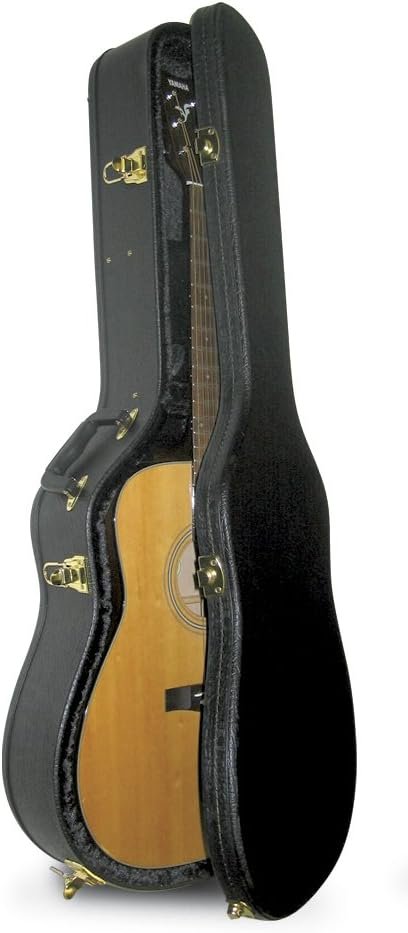
An acoustic needs a tuner, a few picks, spare strings and a case or gig bag. That is the whole list. Take it out of the bag and it works, which is a real advantage for anyone who knows they will skip practice if setup takes more than ten seconds.
An electric needs the same items plus an amplifier and an instrument cable. This is why so many electrics are sold as complete kits with a small practice amp included, and why those kits make sense for a first purchase. See what is actually in a guitar starter bundle for how those packages break down.
A small practice amp is enough for years of home playing. Bedroom practice needs far less power than most beginners assume, and the wattage figures on the box are a poor guide to loudness.
Noise, neighbours and when you can practise
This decides the question for a lot of people. An acoustic has one volume, and that volume is loud enough to be heard through a wall. There is no way to turn it down other than playing gently, which teaches bad habits.
An electric plugged into headphones is close to silent to anyone else in the building. For a shared flat, a night shift schedule, or a house with a sleeping child, that difference is worth more than any tonal argument. Practice you can actually do at eleven at night beats practice you have to postpone.
Let the music decide
Write down five songs you want to be able to play. If most of them are built on distorted riffs, bends and lead lines, buy an electric. Learning those parts on an acoustic is possible but frustrating, and the sound never matches what is in your head.
If most of them are strummed chords behind a vocal, campfire songs, or fingerpicked folk, buy an acoustic. An electric can play those parts, but the unamplified sound is thin and the amplified sound is not what the song wants.
Nylon string classical guitars are a third option worth knowing about, especially for very young players and for anyone with sensitive fingertips. The comparison is covered in nylon vs steel string guitars.
Four beginner guitars worth looking at
These are drawn from the guitars covered in the review library, and each one suits a different starting point.
- Yamaha FG800J suits the acoustic starter who wants an instrument to grow into rather than replace. It has a solid spruce top with mahogany and nato back and sides, which is a step above the laminate tops common at the entry level.
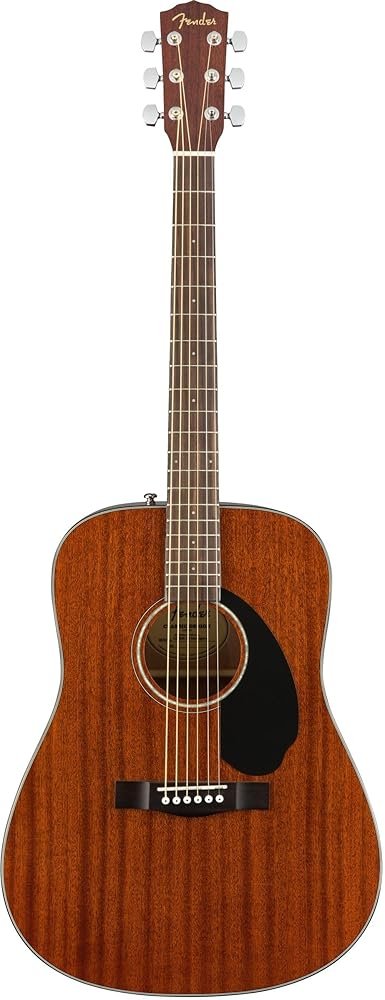
- Fender CD-60S suits anyone who found the first fortnight on acoustic uncomfortable. The neck is shaped for easy playing with rolled fingerboard edges, and the solid mahogany top gives a warm rather than bright voice.
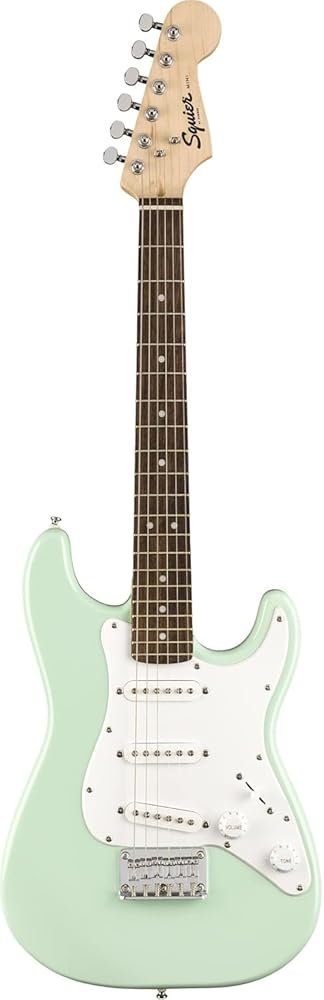
- Squier Debut Series Stratocaster suits the electric starter who wants tonal range. Three single coil pickups with five way switching cover a lot of ground, and the thin body and C shaped neck keep long sessions comfortable.
- Squier Debut Series Telecaster suits players drawn to country, indie and classic rock. Two single coils with three way switching is a simpler setup than a Stratocaster, which some beginners prefer.
Browse the full acoustic guitars and electric guitars sections for more options in each direction.
Frequently asked questions
Is it harder to switch from electric to acoustic later?
The chords, scales and reading skills transfer completely. What does not transfer is finger strength, so the first few sessions on a steel string acoustic will feel stiff after a year on electric. That adjustment takes days, not months, and it works the same way in reverse.
Should a beginner buy an acoustic electric instead of choosing?
An acoustic electric is an acoustic guitar with a pickup fitted, not a hybrid of the two types. It sounds like an acoustic whether or not it is plugged in, so it does not solve the noise problem or give you distorted electric tones. It is a good choice if you expect to play through a PA system one day.
Does the guitar need to be full size for an adult beginner?
Most adults are comfortable on a full size instrument, but smaller body shapes such as concert and parlour acoustics are easier to reach around for shorter players. Anyone buying for a child should read what size guitar a child needs first, since scale length matters far more at that end.
How long before a beginner sounds like they are playing music?
Simple two and three chord songs are within reach in a few weeks of regular practice. Clean chord changes at speed take a few months. The pace depends on practice consistency far more than on which type of guitar was bought.