
Spend one tier above the cheapest thing you can find, and stop well short of a professional instrument. That band is where beginner guitars are properly built, hold their tuning, and can be set up to play easily, without you paying for tonewoods and hardware that a first year player cannot yet hear the benefit of.
The guitars at the very bottom of the market are the real risk. They are not cheap versions of good guitars, they are a different category of object, and the usual outcome is a learner who concludes they have no talent when in fact the instrument will not stay in tune. This site does not publish prices, so what follows is about the tiers themselves and what changes between them.
Key takeaways
- The cheapest tier is a false economy. Poor tuners and unplayable string height stop progress before it starts.
- Established beginner lines from known makers are the sensible target for a first guitar.
- Budget for the extras. A tuner, spare strings, a strap, picks and a bag are not optional.
- Set aside something for a professional setup. It transforms a mid tier guitar more than the next tier up would.
- Buying an expensive instrument first does not make learning faster and makes the eventual upgrade less satisfying.
What goes wrong at the very bottom of the market
Three things fail on the cheapest guitars, and each one is enough to end a beginner’s interest.
Tuners come first. Cheap machine heads have loose gearing and slip under tension, so the guitar drifts out of tune within minutes. A learner cannot tell the difference between a guitar going flat and their own bad fretting, so they hear themselves playing badly and assume the fault is theirs.
String height comes second. If the action is far too high, chords buzz, barre chords become impossible, and fingertips hurt more than they need to. Some of this is adjustable, but only if the neck has a working truss rod and the nut and saddle were cut roughly right in the first place.
Intonation comes third and is the least obvious. If the bridge is placed poorly, the guitar can be tuned correctly on the open strings and still sound wrong further up the neck. Nothing the player does fixes that, and it is the reason a guitar can feel subtly unpleasant without anyone being able to say why.
What the sensible tier actually buys
Move up one step and the picture changes. Established makers run dedicated beginner lines because a first guitar that works is how they win a customer for twenty years, so those lines get real quality control rather than none.
At this level you get sealed geared tuners that hold pitch, a neck with a functioning truss rod so the relief can be adjusted, a bridge placed accurately enough to intonate, and a factory setup that is at least in the right region. On acoustics you often reach a solid top rather than a laminate one, which is the single biggest jump in acoustic tone available at the entry level. That distinction is worth understanding before you buy, and it is covered in solid top vs laminate acoustic guitars.
Where spending more stops helping
Above the beginner tier, the money goes into things a new player cannot use yet. Nitrocellulose finishes, hand rolled fret ends, boutique pickups, premium tuners and all solid wood construction are real improvements, and they are audible to somebody with a few years of playing behind them.
For a first guitar they mostly buy anxiety. An expensive instrument is one you worry about scratching, one you hesitate to take to a friend’s house, and one that is awkward to sell if the hobby does not stick. There is also a practical argument for keeping something back. An upgrade at the eighteen month mark, chosen by someone who now knows what they like, is a far better purchase than the same money spent on day one.
Budget for the parts that are not the guitar
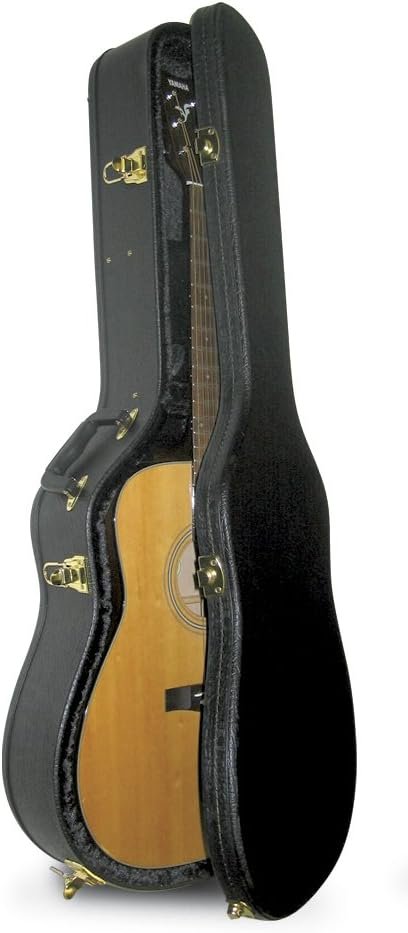
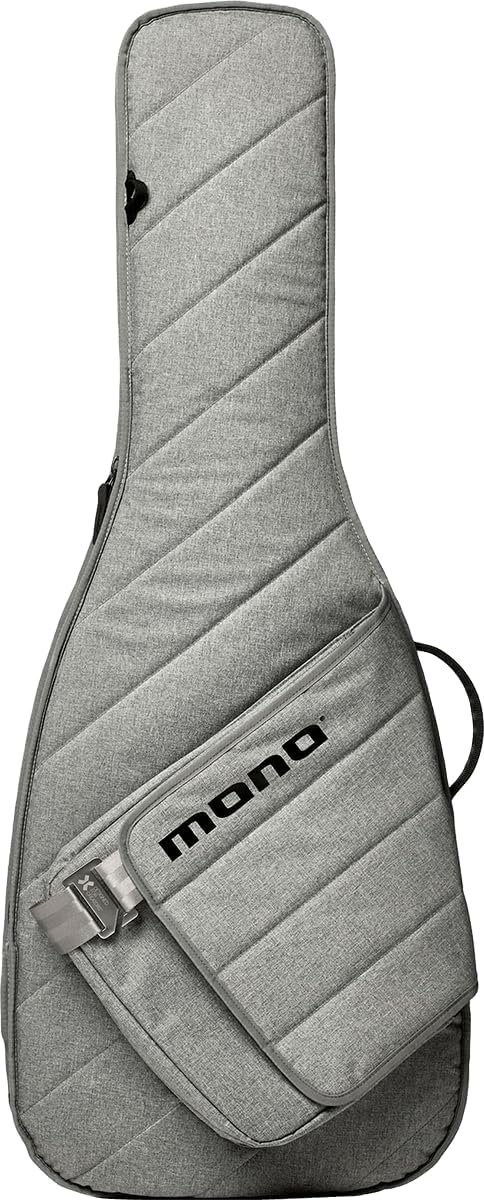
A clip on tuner is essential and cheap. Spare strings matter because a beginner will break at least one. A strap is needed the moment anyone wants to stand up, picks vanish constantly, and a gig bag protects the instrument between the bedroom and a lesson.
An electric adds an amplifier and a cable to that list, which is why bundles are so common at the beginner end. What is actually in a guitar starter bundle breaks down which of those inclusions are genuinely useful and which are filler.
The most valuable line in the budget is a professional setup. A technician adjusting the truss rod, filing the nut slots and lowering the saddle will do more for playability than moving up a tier of guitar would. Plenty of beginners never learn this and blame themselves for a stiff instrument instead.
Four first guitars that sit in the sensible band
These come from the review library and each represents a different way of spending a first guitar budget.
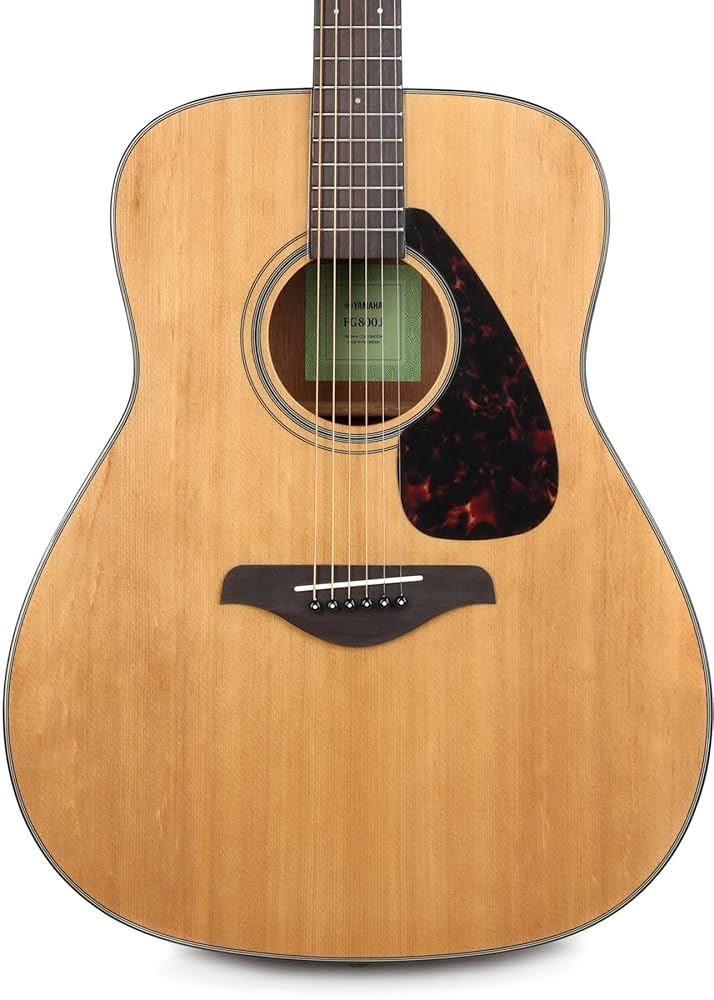
- Yamaha FG800J suits the buyer who wants one acoustic to last. The solid spruce top and scalloped bracing put it above the laminate topped guitars it sits alongside, though the review notes the action can run high out of the box, so allow for a setup.
- Fender CD-60S suits someone who wants a solid top with a warmer voice and an easier neck. The rolled fingerboard edges are a small detail that makes a real difference in the first month.
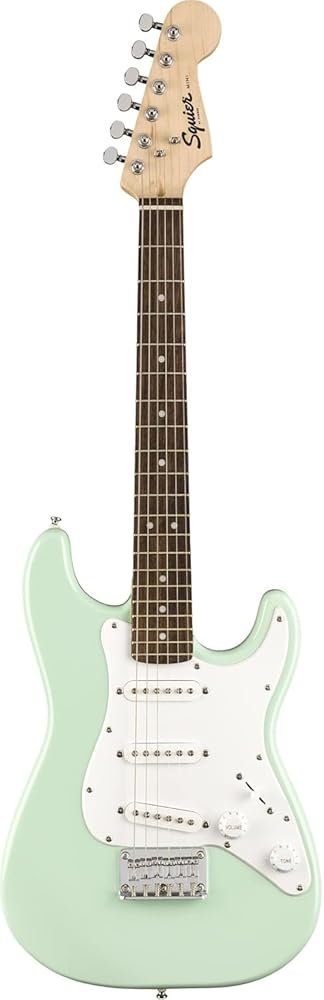
- Squier Debut Series Stratocaster suits the electric buyer who wants a known name rather than an unbranded kit. Three single coils with five way switching cover a wide tonal range for a first instrument.
- Donner DST-152 kit suits the buyer who wants everything in one box. It arrives with an amplifier, gig bag, tuner, capo, strap and picks, and the HSS pickup layout with coil split gives more tonal options than most starter kits.
Compare more in the acoustic guitars and electric guitars sections.
Frequently asked questions
Is a used guitar a better way to spend a first budget?
Often yes, because the same money reaches a higher tier. The catch is that assessing a used guitar takes knowledge a beginner does not have. A twisted neck, a lifting bridge or worn frets are expensive problems that are invisible to an untrained eye, so bring someone who plays, or buy new.
Are guitar bundles worth it or is the guitar compromised?
Both happen. Some bundles pair a good guitar with useful accessories, and some pad the accessory list to distract from a weak instrument. Judge the guitar on its own first, then treat the accessories as a bonus rather than as the reason to buy.
Should a child’s first guitar cost less than an adult’s?
The same quality floor applies. A child is more likely than an adult to give up on an instrument that will not stay in tune, because they are less able to diagnose why it sounds wrong. Getting the size right matters just as much, which what size guitar a child needs covers.
Does an acoustic or an electric cost more to get started with?
Electric costs more in total because it needs an amplifier and a cable to make any sound at all. Acoustic is complete on its own. That difference is part of the wider choice covered in acoustic vs electric guitar for beginners.