
A beginner needs five accessories: a tuner, a few picks, a strap, a bag or case, and a spare set of strings. Everything else can wait until you know what kind of player you are going to be.
That short list exists because it solves the problems that actually stop new players. An out of tune guitar sounds wrong no matter how carefully you fret a chord. A guitar leaning against a wall gets knocked over. A snapped string ends the session if there is no replacement in the house. Most of the rest of the gear aimed at beginners answers questions you have not asked yet.
Key takeaways
- Buy a clip on tuner before anything else. It is the single accessory that changes how your practice sounds.
- A strap and a strap button check matter even if you plan to sit down, because standing up changes your posture and your view of the fretboard.
- Keep spare strings and a string winder in the case. A broken string on a Tuesday should not cost you a week.
- A stand for the room and a bag for the road solve two different problems. The stand is what keeps you practising.
- Many beginner bundles already contain the tuner, bag, strap and picks, which is usually cheaper and simpler than assembling the list yourself.
The five things worth buying on day one
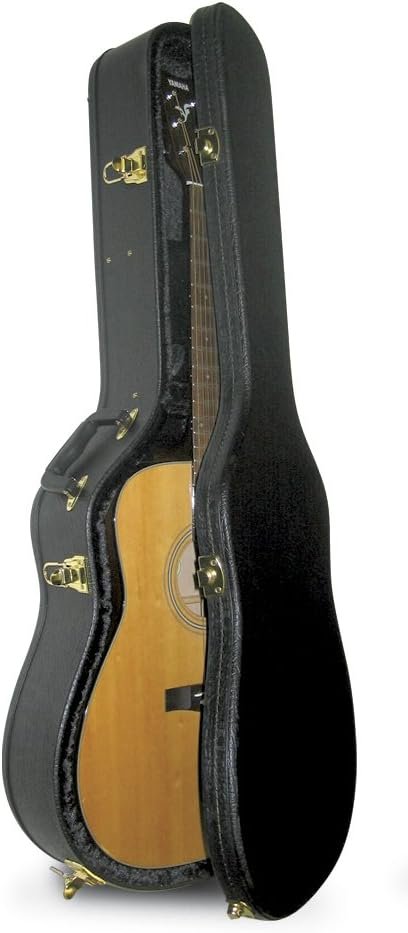
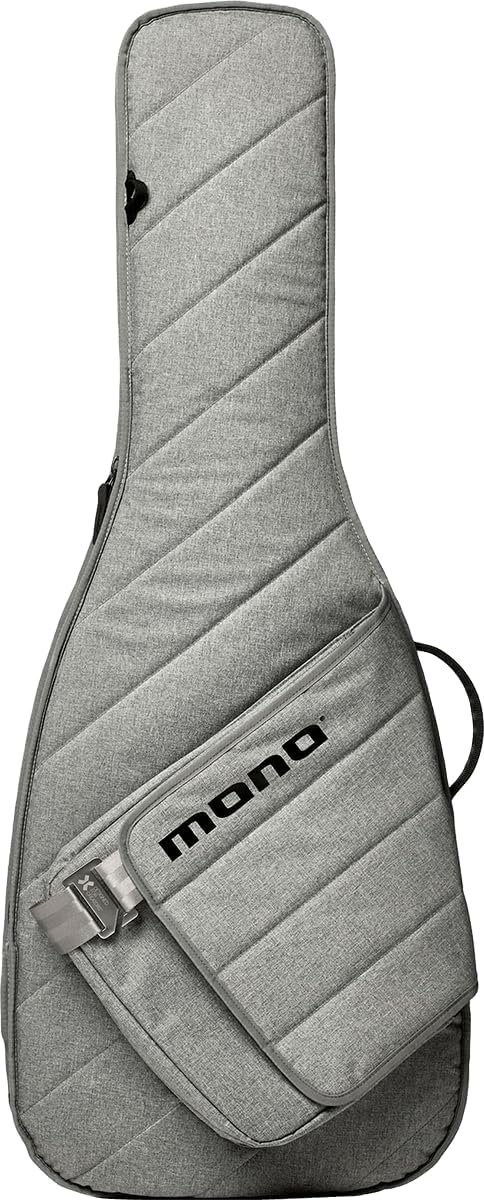
A clip on tuner attaches to the headstock and reads the vibration of the wood, so it works in a noisy room and does not need a cable. A handful of picks in two or three thicknesses lets you find out what your hand likes. A strap holds the guitar in playing position when you stand. A gig bag or case protects the instrument in transit and from dust at home. A spare set of strings means a break is a ten minute interruption rather than a trip to a shop.
Add one item that is not strictly an accessory: somewhere to put the guitar that is not the floor. A folding stand or a wall hanger keeps the instrument visible and reachable, and a guitar you can pick up in two seconds gets played far more often than one zipped in a bag under the bed.
A tuner is the highest value item you can buy
New strings stretch for the first week or two, and any guitar drifts with changes in room temperature and humidity. That means tuning is not a one time job, it is a thirty second ritual before every session. A clip on tuner makes that ritual frictionless.
Phone apps work, and they are a reasonable stopgap, but they use the microphone and struggle when there is background noise or when another instrument is playing. Clip on units read the body of the guitar directly. If you are not yet confident about which string is which, the walkthrough in how to tune a guitar covers standard tuning and the common mistakes.
Picks, straps and cables
Picks are the cheapest way to change your tone. Thin picks around 0.46mm to 0.60mm flex and suit strumming. Medium picks near 0.73mm are the usual all rounder. Heavy picks from 0.88mm upward give more attack and control for single note lines. Buy a mixed pack, use each one for a week, and keep the shape your hand stops noticing. There is more detail in guitar picks explained.
Straps are simple, but check that your guitar has two strap buttons. Many acoustics ship with only one at the tail, and the neck end of the strap is meant to tie around the headstock behind the nut. A cheap lace or a purpose made strap tie handles that. Nylon and polyester straps are light, leather is heavier and more comfortable under a solid body electric.
Electric players need one more item: a cable. A 3 metre lead is enough for practice at home and short enough to stay out of the way. Cheap cables fail at the plug, so treat a crackling sound as a cable problem before you blame the amp.
Strings, and the small tools that go with them
Strings dull with sweat and skin oils long before they break. Most players notice the tone going flat and lifeless somewhere between one and three months of regular playing, and that timeline shortens if you practise daily. Keeping one spare set in the case removes the excuse. See how often to change guitar strings for a realistic schedule.
Two small tools make the job painless. A string winder turns the tuning pegs in a fraction of the time, and most winders include a notch for lifting bridge pins on an acoustic. A wire cutter trims the loose ends so they stop catching on your sleeve. Both are usually included in beginner accessory kits.
What you can safely skip for now
Pedals are the most common early purchase that does not help. A distortion or delay pedal is fun, but it will not teach you a chord change, and a starter amp usually has enough gain on board to make an electric sound like the records you want to play.
Humidifiers matter for solid wood acoustics in dry climates, less so for a laminate beginner guitar. Expensive cleaning kits can be replaced by a dry microfibre cloth for the first year. A capo is genuinely useful, but it becomes useful once you know a handful of open chords, so it belongs in month two rather than week one. When you get there, read what a capo does and when to use one.
Bundles that already include the essentials
Buying the accessory list separately usually costs more effort than it is worth. These guitars from the review library arrive with most of the list in the box.
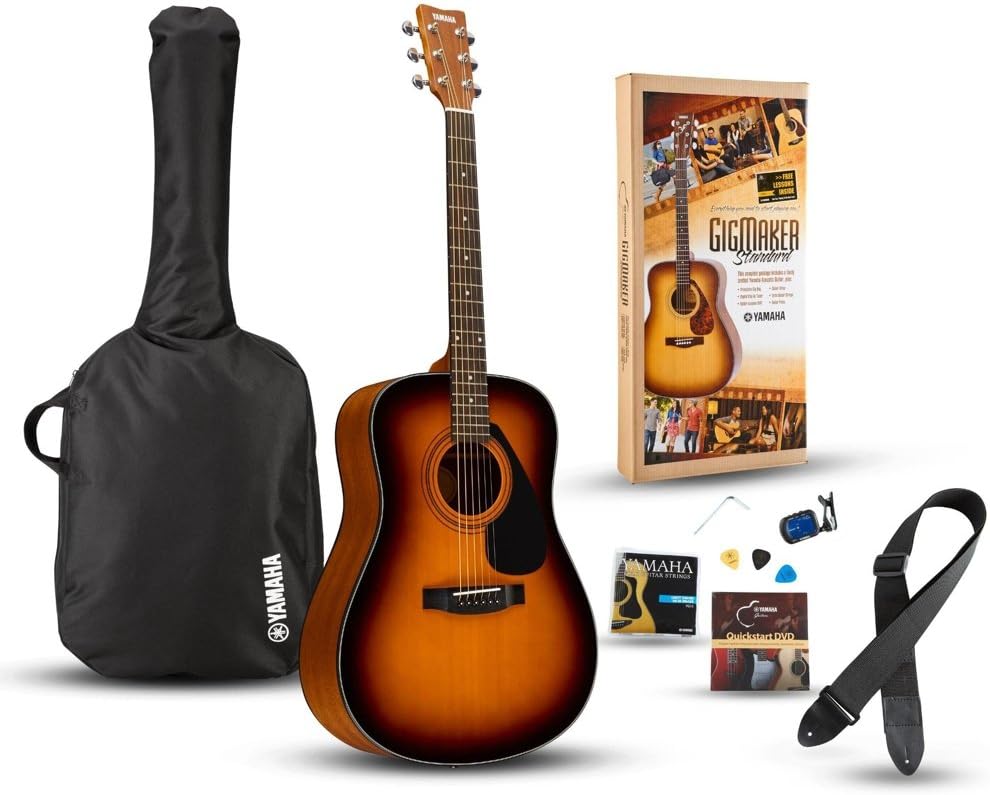
- Yamaha GigMaker Standard acoustic package. Ships with a gig bag, a digital tuner, a strap and picks around an F310 dreadnought. A sensible pick for an adult beginner who wants a known brand and does not want to think about the accessory list at all.
- RockJam Acoustic Superkit. Includes a foldable stand, gig bag, tuner, picks, a plectrum holder and spare strings, plus online lessons. The stand is the differentiator here, and it is the accessory most beginners forget.
- Donner DAG-1C 41 inch acoustic bundle. A full size cutaway with a padded gig bag, tuner, strap, extra strings, picks and a capo. Suits an older teen or adult who wants the capo and spares covered from the start.
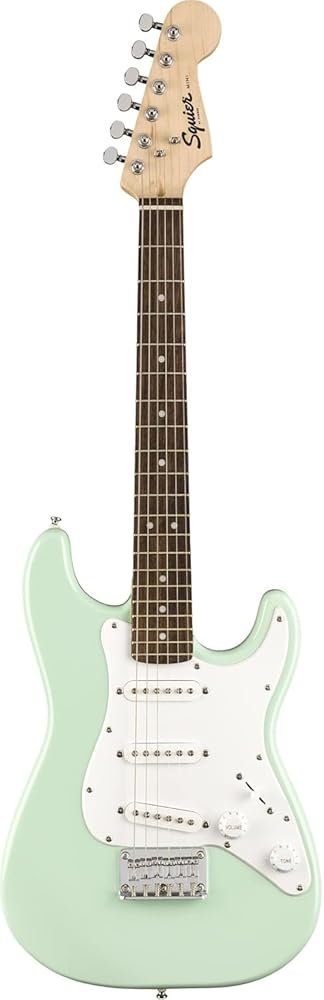
- Squier Stratocaster electric guitar pack. Comes with a gig bag and a Frontman 10G amplifier that has an aux input and a headphone jack. The right choice if the beginner in question wants an electric and lives with other people.
If you are still deciding on the instrument itself rather than the extras, browse the acoustic guitars section, and read what is in a guitar starter bundle to see which extras are genuinely worth having.
Frequently asked questions
Do I need an amp if I am buying an acoustic guitar?
No. A plain acoustic makes plenty of sound on its own and needs nothing plugged in. An acoustic electric has a pickup fitted, and that pickup only matters when you play through a PA or an amp. For home practice you can ignore it entirely.
How many picks should I buy?
Get a mixed pack of ten or twelve in a few thicknesses. Picks disappear constantly, they cost very little, and having several thicknesses to compare is the fastest way to work out what your strumming hand prefers.
Is a hard case worth it for a first guitar?
Usually not. A padded gig bag handles carrying a guitar to a lesson and keeps dust off at home. A hard case earns its place if you travel, if the guitar goes in a car boot regularly, or if it is stored for long periods. The comparison in guitar cases vs gig bags goes through the tradeoff.
Should I buy accessories separately or as a bundle?
A bundle is simpler for a first guitar. Bundled tuners, bags and straps are basic rather than refined, but they work, and they let you start playing the day the box arrives. Replace individual items later once you know which ones you actually use.