
Buy a gig bag if the guitar mostly stays home and occasionally travels by hand or on your back. Buy a hard case if the guitar goes in a car boot, flies, gets stored for long stretches, or is worth more than you would comfortably replace.
That is the whole decision in two sentences, but the reasoning behind it matters because the failure modes are different. A gig bag fails against impact. A hard case fails against your willingness to carry it. Most players end up owning both eventually, and the useful question is which one to buy first.
Key takeaways
- Gig bags are light, wearable as a backpack and cheap. They protect against scratches, dust and weather, not against being dropped or crushed.
- Hard cases protect against impact and stack safely. They are heavy, awkward on public transport and take up more room.
- Padding thickness is the number that matters on a gig bag. Under 10mm is a dust cover. Around 20mm to 25mm is real protection.
- Fit matters more than category. A dreadnought bag will not hold a concert body securely, and a loose guitar moves on impact.
- Flying with a guitar effectively requires a hard case, and ideally a flight case.
What each type actually protects against
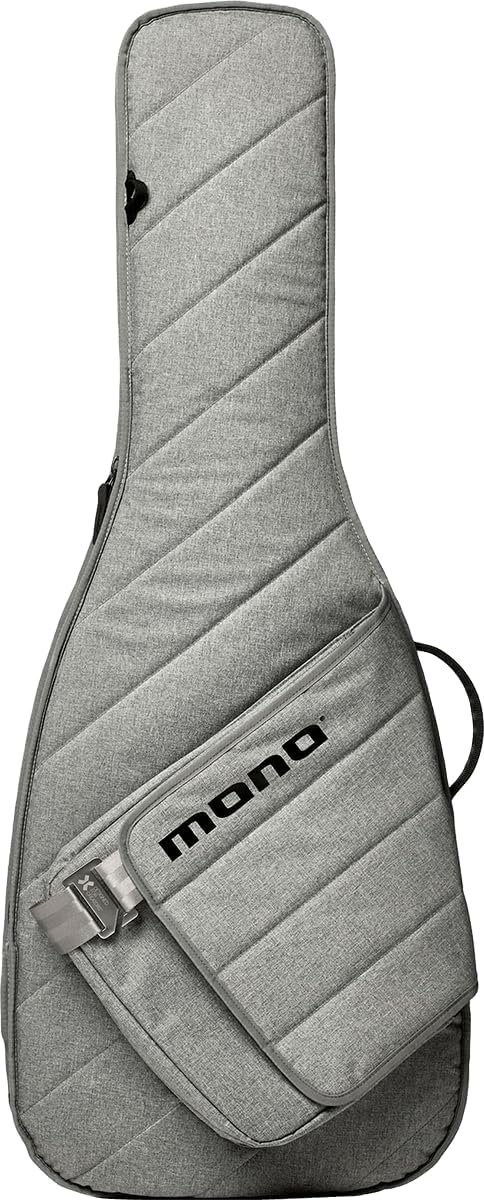
A gig bag is a padded fabric shell. Good ones use dense closed cell foam, a reinforced neck area, water resistant outer fabric and backpack straps. They handle the everyday risks well: a guitar knocked off a stand into the bag, rain on the way to a lesson, dust while the instrument sits in a corner.
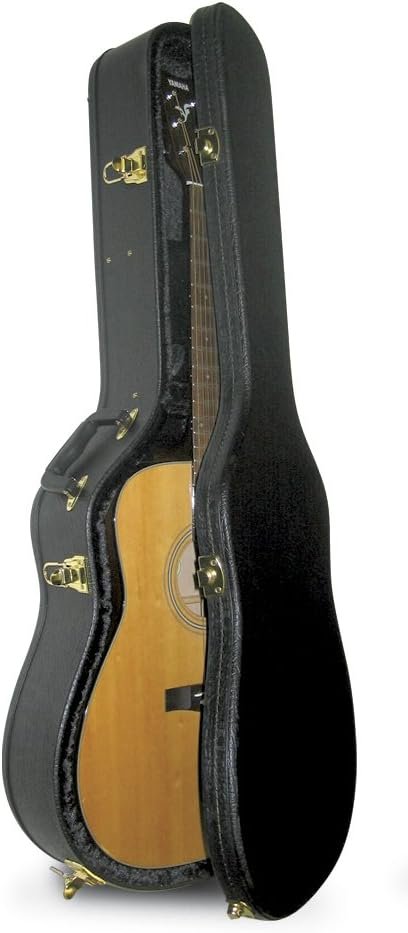
A hard case is a rigid wooden or moulded plastic shell with a plush lined interior, latches and a moulded handle. It resists crushing, which is why cases stack in a van and bags do not. It also holds a more stable internal climate, which matters for solid wood instruments in a cold or dry environment.
Between the two sit hybrid designs, sometimes called sleeves or semi rigid cases. They add structural reinforcement, headstock suspension and a shaped shell to a bag sized package, which buys you a meaningful step up in impact protection without the weight of a wooden case.
Weight, carrying and the honest test
A typical gig bag adds one to two kilograms. A wooden hard case adds four to six, sometimes more. Over a twenty minute walk to a lesson that difference decides whether the guitar comes with you at all.
The honest test is this: the best protection is the one you will actually use. A hard case that stays in a cupboard while you carry the guitar loose in the back seat has protected nothing. Match the case to the journey you really make, not the journey you imagine making.
Backpack straps change the calculation more than most buyers expect. Two shoulder straps make a heavy bag manageable on a bike or a bus in a way a single strap never does.
Fit is not optional
Cases and bags are sold by body shape, not by the word “guitar”. A dreadnought bag is cut for a wide square shouldered body. A concert or grand auditorium acoustic is narrower and will slide around inside it. Classical guitars have a different upper bout again, and 3/4 size instruments need their own size entirely.
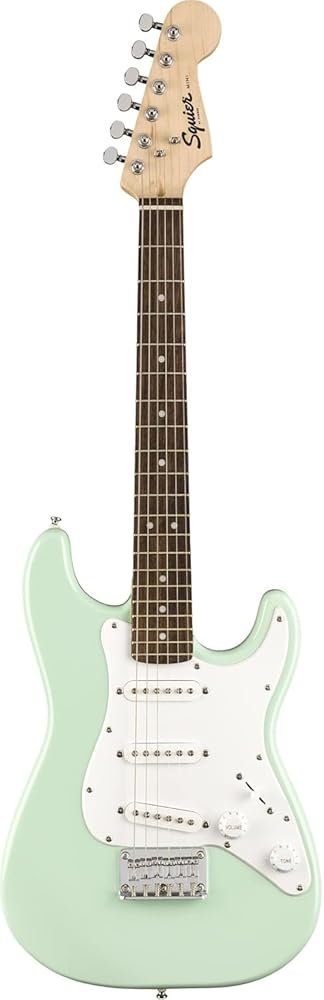
Electric guitars are trickier still. A double cutaway body like a Stratocaster shape fits a different case profile from a single cutaway Les Paul style body, and an offset or explorer shape may need a shaped case made for that model. If you are unsure which family your guitar belongs to, guitar body shapes explained covers the common outlines.
A loose guitar in an oversized case is genuinely worse than a snug fit in a lighter bag, because a drop lets the instrument accelerate before it hits the shell. If there is play, pack the gaps with soft cloth.
Storage, climate and the guitar that never leaves the house
If a guitar never travels, the case question becomes a storage question. A hard case slows down changes in humidity and temperature, which is worth having for a solid wood acoustic in a house with dry winter heating. Laminate guitars are far more tolerant, which is one of the practical advantages covered in solid top vs laminate acoustic guitars.
Never leave a guitar in a car in summer heat or overnight frost in either type of case. A case buys you time, it does not make the instrument immune. For long term storage, loosen the strings slightly, keep the case off a cold concrete floor, and store it flat or upright rather than leaning. There is more on this in how to store a guitar.
Cases and bags worth considering
These options from the review library cover the range from lightweight sleeve to full hard case.
- MONO M80 Sleeve electric guitar case. A slim top loading design with a patented neck suspension system using shock absorbing EVA rubber, an insole that protects the strap pin, and a messenger style pouch. Suits a player who walks or cycles to rehearsals and wants protection without a wooden case.
- Gator Deluxe wood case for double cutaway electrics. A traditional wooden hard case with plush foam padding, locking latches, an ergonomic handle and an accessory compartment. The default choice if your electric has a Stratocaster style double cutaway body and travels by car.
- ChromaCast electric guitar hard case. A lockable wood case with a plush lined interior, chrome latches, bumpers on the base and sides and a large accessory compartment. A sensible step up for an electric that is stored more than it is carried.
- Yamaha F1HC acoustic with hardshell case. A spruce top acoustic sold with its own hardshell case, so the fit is correct by definition. Worth a look if you are still buying the guitar and would rather not solve the case problem twice.
- Yamaha GigMaker Standard acoustic package. Arrives with a gig bag, tuner, strap and picks around a dreadnought body. The straightforward option for a beginner whose guitar will travel to lessons and back.
If the instrument itself is still undecided, the acoustic guitars and electric guitars sections are the place to start, and many of the bundles listed in what is in a guitar starter bundle include a bag already.
Frequently asked questions
Is a gig bag enough for a beginner guitar?
For most beginners, yes. A padded gig bag covers the trip to a lesson and keeps dust off the instrument at home, which is nearly all the protection a first guitar needs. Upgrade when the guitar starts travelling regularly or when you buy something more expensive.
Can I take a guitar on a plane in a gig bag?
Only as cabin baggage, and only if the airline allows it and there is overhead space. Anything checked into the hold needs a hard case at minimum, and a purpose built flight case is safer. Loosening the strings a little before flying reduces neck tension during pressure and temperature changes.
How thick should gig bag padding be?
Look for at least 10mm for basic protection and around 20mm to 25mm for a bag you would trust on public transport. Bags under 10mm are essentially dust covers. Check that the neck and headstock area is padded too, since that is where most damage happens.
Should I store a guitar in its case or on a stand?
A stand for a guitar you play daily, a case for one you do not. Visibility drives practice, so an instrument in a cupboard gets played less. If the room is very dry, very humid or gets knocked about by children or pets, the case wins.